
Key Takeaways
Working out what to pack for an Iceland winter tour comes down to one thing: the weather changes its mind several times a day, and your clothes have to keep up. Natural materials and a genuinely windproof outer layer are what keep you comfortable through long days outside.
- Pack merino wool base layers that move moisture and resist odour over several days.
- Bring a shell that is waterproof and windproof in the same garment.
- Choose insulated boots with ankle support and a deep rubber tread.
- Add slip-on traction spikes for icy pavements and car parks.
- Leave behind anything that soaks through or takes up space without earning it.
Essential clothing layering system
Layering is the whole game here. On a guided tour around the Golden Circle you are in and out of the minibus all day, walking to a waterfall, standing in wind, then warming up again. One thick coat cannot handle that range. Layers let you add and shed as the day moves.
Base layers for moisture management
Your base layer sits against the skin and its job is to pull sweat away from your body. Merino wool is the right choice because it holds warmth even when damp and resists odour over several days of wear. Avoid cotton entirely. It soaks up moisture, holds it against you, and makes you cold faster than the air ever will.
Mid-layers for thermal insulation
The mid-layer traps your body heat. A fleece jacket or lightweight wool sweater does this well and still fits under a heavier coat without bunching. That combination is what carries you between the outdoor stops on the South Coast and a warm minibus.
Choosing a windproof and waterproof shell
Your outer shell has to handle Atlantic wind and rain that arrives sideways. Look for a jacket that blocks both, with a hood that stays up in a gust. Wind does more damage than temperature in Iceland, and a shell that stops it is worth more than an extra jumper.
Footwear for arctic conditions
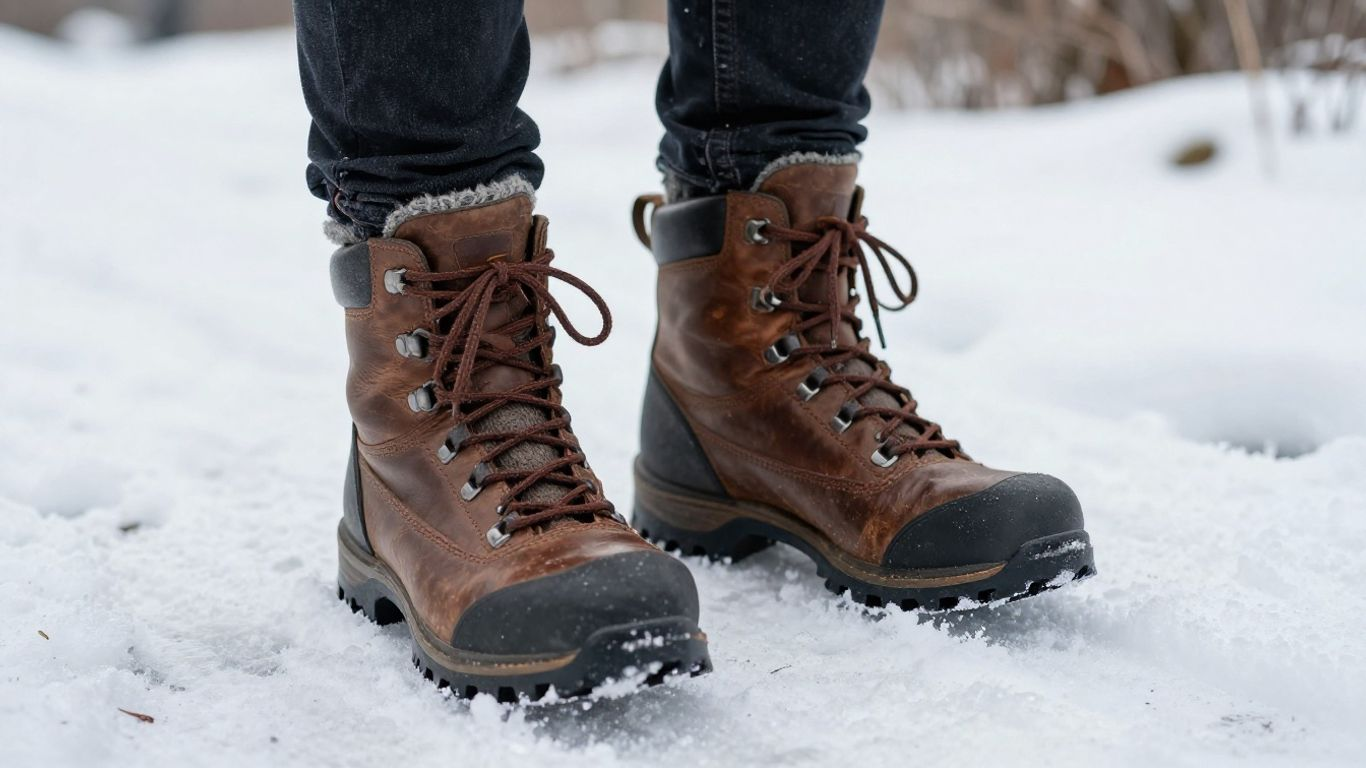
Footwear is what turns a slippery path into an ordinary walk. Wet feet end a day out faster than almost anything else.
Selecting sturdy, waterproof hiking boots
Look for a firm rubber sole with deep treads and support above the ankle bone. Full waterproofing matters more than people expect, because the spray at Seljalandsfoss and Skógafoss will soak trainers on the walk in.
Why you need wool socks for warmth
Wool socks insulate through long spells of standing on frozen ground, and the fibres trap air without adding bulk inside a boot. Bring more pairs than you think you need.
Adding traction aids for icy paths
Pavements in Reykjavík glaze over during freeze-thaw cycles, and the car parks at the big sights are often worse than the paths themselves. A set of slip-on spikes costs very little and keeps you upright where normal soles slide.
| Item | Importance | Material | Usage |
|---|---|---|---|
| Hiking Boots | High | Leather/Synthetic | All outdoor walks |
| Wool Socks | High | Merino Wool | Daily basis |
| Traction Aids | Medium | Steel/Rubber | Icy walkways |
Those three items are what keep you steady, so your attention stays on the landscape rather than your footing.
Cold-weather accessories
Accessories cover the gaps your main layers leave. Wind here finds exposed skin immediately, so your head and neck need covering from the moment you step out of the vehicle.
Protecting your head and neck from wind
A beanie that covers your ears completely is standard kit. Out on the ice at Breiðamerkurjökull or across open ground, wind chill drops the felt temperature sharply, and an uncovered head is the quickest way to lose heat.
Gloves with dexterity and thermal lining
Choose gloves you can work a camera or a phone in without taking them off. A thermal lining keeps your fingers moving and a windproof outer stops the cold biting through, which matters most on a Northern Lights hunt where you stand still in the dark for long stretches. We hand out warm blankets and hot chocolate on aurora tours, but your hands are still your own department.
Scarves or neck gaiters for facial coverage
A neck gaiter beats a scarf because it stays where you put it in wind. It seals the gap at your jacket collar and stops cold air running down your chest.
Specialized gear for winter sightseeing
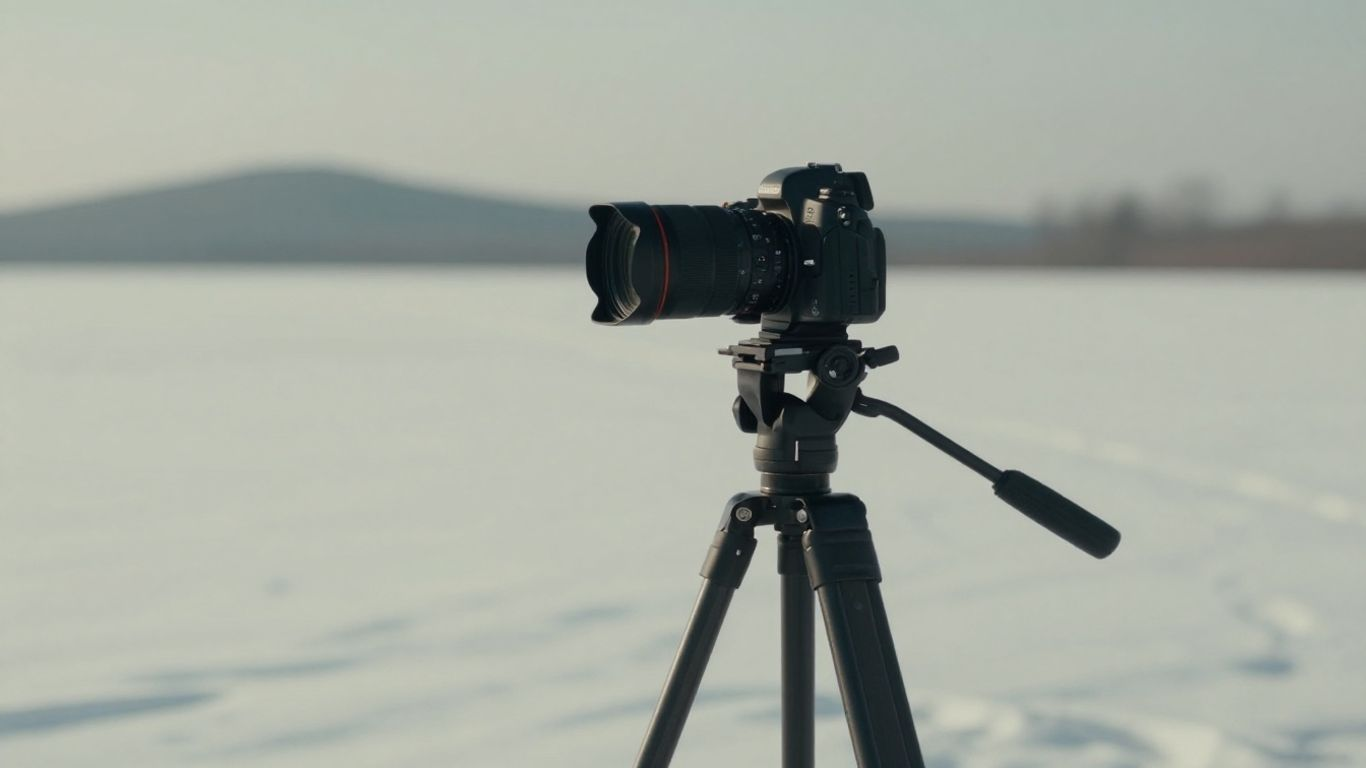
Winter light in Iceland is short, low and often extraordinary, and the same conditions that make it beautiful are hard on equipment. Protecting your gear is part of the packing job on an all-Icelandic adventure.
Camera equipment for low-light conditions
A camera with a usable high ISO range earns its place in winter. A tripod is what makes long exposures work at all, and it is a key factor for night photography on the nights the sky clears. On our aurora tours the guide doubles as a photographer and will help you set up, phone or camera.
Waterproof covers for electronics
Waterproof bags or covers keep spray off your gear near waterfalls and in wet snow. Keep spare batteries in an inside pocket, close to your body, or the cold quietly drains them.
Headlamps for short daylight hours
Daylight is scarce in December and January, so a headlamp is genuinely useful rather than a nice extra. A torch works, but a headlamp keeps both hands free for a camera or a handrail.
Skincare and health essentials
Arctic air is dry and it goes after your lips and hands first. Three small items head off a genuinely annoying problem.
Battling dry skin in freezing air
Carry a heavy-duty hand cream and a decent lip balm. Both fit in a jacket pocket and both stop irritation before it starts.
Sun protection for reflected ultraviolet light
The winter sun sits low on the horizon all day, so it hits you straight in the eyes rather than from overhead. Snow bounces it back up at you as well, which is why sunglasses belong in a January bag.
Hydration strategy on the road
Drink water even when you do not feel thirsty, because cold blunts the thirst signal and hydration is part of how your body holds its temperature. Icelandic tap water is excellent, so a refillable bottle is all you need.
What you can leave at home
Space in your bag is finite and transfers are easier with less of it. A few things simply do not work in this climate.
Why umbrellas are ineffective in Iceland
An umbrella is useless here. The wind arrives sideways, so it either inverts on the first gust or tries to take your hand with it. A hood does the job properly.
Avoiding bulky jeans in wet weather
Denim soaks up water, turns heavy, and then pulls heat out of you for the rest of the day. Leave the jeans at home and pack quick-dry hiking trousers, which matters doubly on a multi-day tour where nothing dries overnight.
Skipping formal wear for remote tours
- Evening attire is not needed on any of our tours.
- Heels and formal shoes have no grip on ice.
- Heavy blazers and dress coats eat space you will want back.
- Casual layers are accepted in almost every Icelandic restaurant.
- Function beats appearance every day of an Icelandic winter.
Warm and mobile beats smart. Very little on a winter tour calls for anything else.
Conclusion
Get the layers right and the rest follows. Wool against the skin, an insulating mid-layer, a shell that blocks wind, and boots that keep water out. Do that and you spend the day looking at Iceland rather than thinking about your own feet. For the year-round version, we keep a complete Iceland packing list on the site.
Frequently Asked Questions
Do I need special equipment for glacier tours?
No. Crampons, helmets and ice axes are provided on our glacier tours. In winter that means the ice cave tour at Breiðamerkurjökull, which runs October through April, while the Vatnajökull glacier hike runs May through September. You bring waterproof boots and warm socks.
Is it possible to see the Northern Lights while wearing standard winter clothes?
You can, but you will be standing still outdoors at night, which is colder than walking around in daylight. An extra down layer and warmer mittens make a noticeable difference.
Should I carry a large suitcase for my winter gear?
A medium bag you can carry yourself is better. Large suitcases are awkward on transfers and in countryside hotels.
Are there laundry facilities at hotels in rural areas?
Many places have them, but pack enough base layers that you never have to plan a short trip around laundry.
Does the wind in Iceland affect how I pack my headwear?
Pick a beanie that fits snugly. Loose hats get taken by gusts, and they are usually gone for good.
Can I wear contact lenses in the cold weather?
Cold, dry air irritates a lot of contact-lens wearers. Bring glasses as a backup so a bad day does not cost you the view.
Is it necessary to bring a power bank for my electronics?
Cold drains phone and camera batteries much faster than usual, so a power bank is one of the more useful things in a day bag.