
Key Takeaways
Visiting Jökulsárlón glacier lagoon is a rewarding addition to any Icelandic journey when you prioritize expert guidance and local safety. These core strategies ensure you maximize your time among the wandering icebergs and surrounding natural landscapes.
- Book guided small-group tours to navigate the South Coast efficiently and safely.
- Know that lagoon boat tours are run by local boat companies, not Scenic, so book those separately and early if you want to get out on the water.
- Always keep a safe distance from the water edge due to unpredictable tides and floating ice.
- Pack multiple layers of waterproof and windproof clothing to stay comfortable in changing weather.
- Prioritize professional Vatnajökull Glacier Hike options to experience the ice safely alongside a certified guide.
Planning the logistics of your visit
Choosing the best time of year
Planning your visit depends largely on what you want to experience, as the lagoon environment changes drastically throughout the seasons. Summer offers extended daylight hours that allow for more flexible South Coast & Glacier Adventure scheduling, while winter brings the potential for seeing northern lights and visiting Scenic’s natural ice caves beneath the glacier. The lagoon remains accessible year round, but your choice of season will dictate the specific tours and activities available for your group.
Driving conditions and route planning
Navigating the South Coast requires careful preparation, which is why traveling with a professional guide offers a distinct advantage. Your local Icelandic guides handle all road navigation and vehicle safety, allowing you to focus on the landscape rather than the stresses of driving on narrow, winding paths. They monitor regional updates for wind or weather events that might affect travel, keeping your itinerary stable and secure as you traverse the southern coastline.
Where to stay nearby
Finding appropriate lodging near the lagoon helps you arrive early to beat the largest tour crowds that typically arrive from the capital each day. Local guides, including those running Scenic’s Ice Cave Tour in winter, often know the comfortable accommodations in the Vatnajökull area, giving you closer access to the glacier’s edge. Staying in the immediate vicinity means you can maximize your time at both the lagoon and nearby reserves without spending several hours on the road each morning and evening.
Boat tours on the lagoon
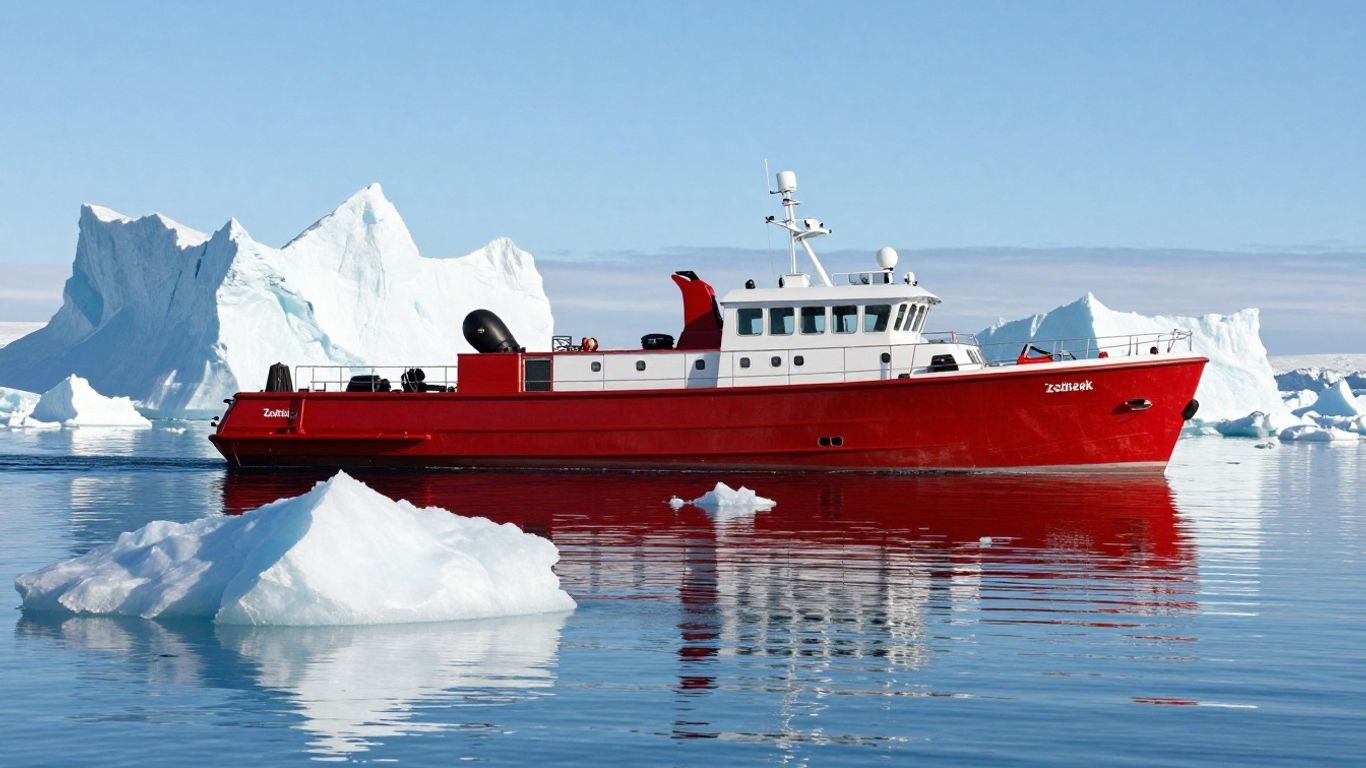
Amphibian boats and smaller Zodiac boats run on Jökulsárlón in season, weaving between the icebergs for a closer look at the water level. These are operated by local boat companies at the lagoon itself, not by Scenic, so book directly with them if that is what you are after, and do it early. Summer and peak winter weeks sell out, and you will want warm, waterproof layers either way, the wind off the ice is sharper than it looks from the shore.
For a guided experience with Scenic itself, our Glacier Hike and Ice Cave Tour both depart from right here at Jökulsárlón and get you onto and inside the ice with a certified guide.
Exploring Diamond Beach
Why the icebergs wash ashore
When icebergs break away from the Breiðamerkurjökull glacier, they drift through the lagoon toward the natural outlet that connects to the ocean. Outgoing tides carry these ice chunks toward the mouth of the lagoon, where the heavy surf and churning currents eventually deposit them onto the black sand beach. The result is a striking contrast of crystalline ice resting against the dark, volcanic sands, creating one of the most unique coastal formations in the country.
Safety tips for walking near the water
While the sight of ice on the sand is beautiful, the ocean currents along this stretch of coast are notoriously strong and unpredictable. Stay well back from the shoreline, since sneaker waves can sweep up the sands without warning and drag debris or visitors into the cold water. Keep your distance and resist any temptation to climb onto or touch the larger icebergs.
Photography advice for the best light
Capturing the clarity of the ice takes patience and a good eye for the changing light throughout the day. Early mornings or late afternoons offer softer, oblique light that highlights the internal cracks and unique shapes of the stranded ice blocks. Avoiding the harsh midday sun reduces glare from the reflective surfaces, giving you clearer images of the diamond-like quality of the ice against the dark beach.
Wildlife spotting at the lagoon
Identifying local seal populations
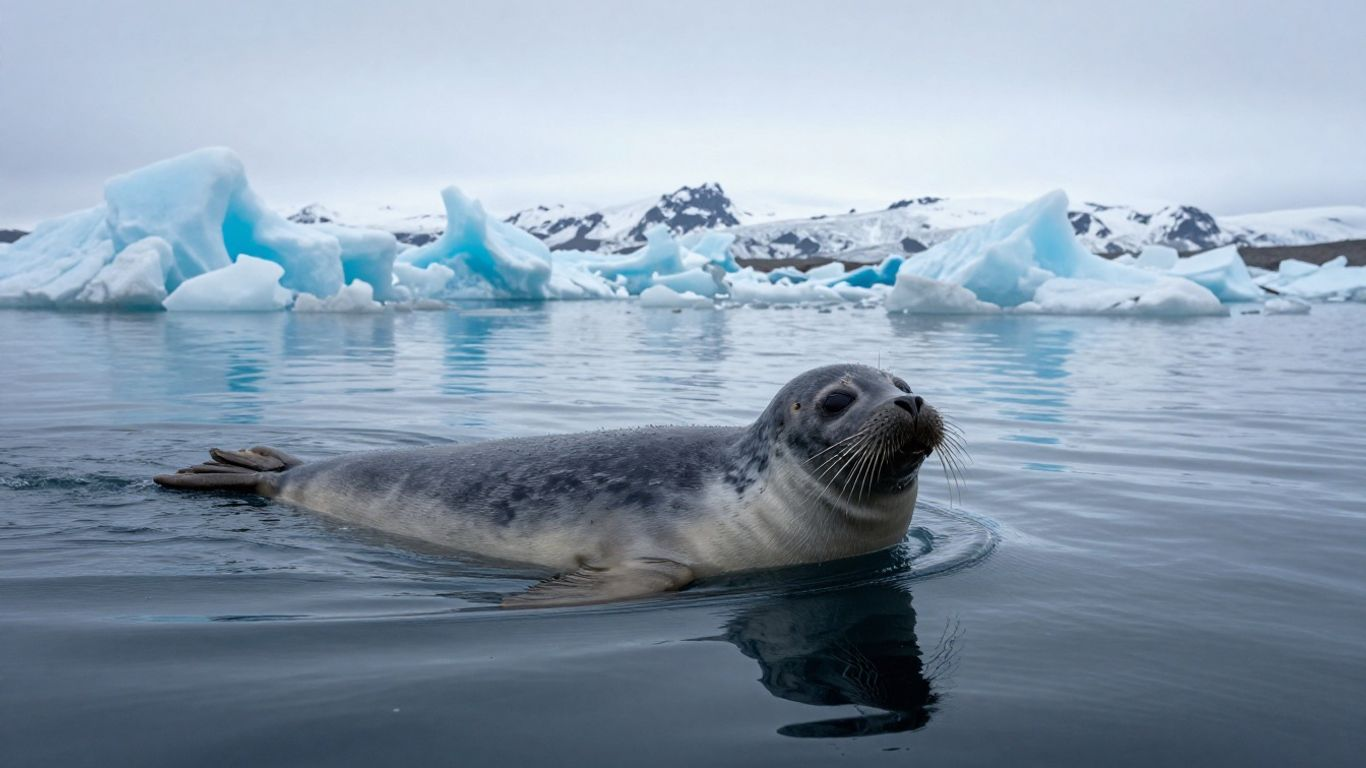
Harbor seals and gray seals are the most common marine mammals in the lagoon waters as they chase schools of fish. They often appear near the outlet where the lagoon meets the sea, sometimes resting on the floating ice. Watching them takes a quiet approach, since these creatures are sensitive to loud noises and quick movements.
Best vantage points for bird watching
Arctic terns and various gulls gather near the lagoon to nest and feed through the summer months. The elevated walking paths that circle the parking area give you a wide view over the floating ice. A pair of binoculars helps you watch these birds without encroaching on their nesting grounds.
Responsible animal observation etiquette
When you watch wildlife here, keep disruption to a minimum. Do not feed, lure, or move closer to any seals or birds, no matter how friendly they may appear. Respecting their space keeps them comfortable in their habitat and lets other visitors enjoy the same experience.
Nearby attractions to include in your itinerary
Fjallsárlón glacier lagoon alternatives
If the main lagoon feels busy, visit nearby Fjallsárlón, a smaller and quieter glacial lake a short distance away. This site gives you a more intimate look at the receding tongue of the Vatnajökull glacier without the high volume of foot traffic found at Jökulsárlón. Seeing both lagoons lets you appreciate the scale of the glacier from two different angles within the same afternoon.
Svartifoss waterfall hike
Located within the national park boundaries, this waterfall is famous for its surrounding geometric basalt columns that look like organ pipes. The hike is well marked and covers varied terrain that shows off the volcanic history of the area through its unique rock structures. It remains an essential stop for those looking to balance their glacier visits with one of the most impressive geological features on the island.
Glacier trekking opportunities in Vatnajökull
Scenic’s Glacier Hike runs from May through September and gives you the chance to walk on compressed ancient ice with the safety gear required to handle deep crevasses. These excursions involve crampons and ice axes, so you can explore the rugged surface and deep blue crevasses that define Europe’s largest glacier by volume. Doing this with a certified guide adds a layer of safety and context you cannot get on your own.
Safety and environmental stewardship
Staying behind safety barriers
Safety barriers around the lagoon and beach edges are there for a reason: the ground near glacial water can be soft and prone to erosion. Crossing these barriers puts you at direct risk from sudden water movements and rising tides that can catch you off guard. Stick to the designated paths to prevent accidents and protect the delicate local vegetation that struggles to grow in this harsh climate.
Understanding changing weather patterns
Icelandic weather is famous for its rapid cycling, and the area around the lagoon is prone to sudden drops in temperature and intense, swirling winds. A sunny sky can turn to heavy rain or thick mist within minutes, cutting visibility fast. Pack technical clothing and lean on your guide for weather, route, and timing updates, since that is the safest way to manage these shifts.
Principles of leave no trace in Iceland
Keeping the Icelandic wilderness pristine means everyone follows the core leave no trace principles while visiting. Carry out all trash, including small items like fruit peels or tissue, since the cold environment slows decomposition significantly. Respect the landscape as you find it and avoid stepping on sensitive mosses or lichen that can take decades to recover from a single footprint.
Conclusion
Jökulsárlón glacier lagoon is one of the most dynamic environments in the country, and exploring it with a professional South Coast & Golden Circle guide lets you experience the ice and wildlife without the stress of independent travel. Prioritizing a guided tour, respecting the environment, and dressing for the volatile coastal weather are the practical steps that lead to a deeper, more meaningful encounter with the shifting, blue-tinted world inside Vatnajökull National Park.
Frequently Asked Questions
Why do the icebergs in the lagoon look different colors?
The icebergs reflect different colors based on their age and density, with dark streaks from volcanic ash layers embedded in the ice during past eruptions. Dense, ancient ice often appears deep blue because it absorbs every color in the visible light spectrum except blue, which it scatters.
Is it possible to swim in the lagoon?
Swimming is not permitted in the lagoon because of the extremely frigid water and the constant threat of moving, unstable icebergs. The currents are also deceptive and can be life-threatening to anyone who enters the water, regardless of swimming experience.
What should I do if the weather turns bad?
If the weather worsens during your visit, retreat to your tour vehicle or the nearest visitor center immediately. Do not walk along the beach if there is a severe weather warning in place, since visibility is often the first thing lost during storms in this region.
Do the icebergs move during the day?
Yes, the icebergs are in constant motion from the flow of the glacier, the wind, and the tidal patterns that pull water in and out of the lagoon. You might notice the arrangement of ice change noticeably within a few hours, as pieces drift toward the ocean outlet.
Are there any restrooms or cafes available on-site?
A visitor center near the lagoon has restrooms, a café, and a small gift shop. These facilities run on seasonal hours, so check availability before you arrive, especially during the shoulder seasons.
Can I fly a drone over the lagoon?
Drone rules are strict in many of Iceland’s national parks and high-traffic natural sites, to protect wildlife and the visitor experience. Check the signage on site and ask your guide before taking off, since certain areas are legally restricted.
How long should I spend at the lagoon?
Most travelers find that two to three hours is enough to explore the lagoon shore, walk the beach to see the ice, and visit the nearby viewing points. If you are also doing a boat tour or a glacier hike, allocate at least four to six hours to account for boarding and group orientation.