
Key Takeaways
Booking a private tour provides a distinct advantage when chasing the Aurora Borealis by prioritizing personal comfort and adaptability. Here are the primary benefits to keep in mind:
- Flexible planning allows for real time adjustments based on weather reports.
- Exclusive vehicle access ensures that you can move away from light pollution quickly.
- Professional guidance offers technical photography help to capture the phenomenon.
- Private groups avoid the strict schedules of standard large bus transport.
- Expert local knowledge translates to better site selection during unpredictable nights.
Why book a private northern lights tour in Iceland
A private excursion through the Icelandic wilderness offers a different standard of experience compared to mass transport alternatives. Traveling with a small group or as an individual allows for deeper engagement with the environment and the guide. By skipping the standard routes, visitors gain the freedom to experience the landscape without unnecessary delays.
Personalized pace and itinerary
Instead of adhering to a rigid timetable set by a large operator, a private journey adapts to the needs of the individuals on board. You can spend more time at locations that offer clear horizons or move on quickly if the cloud cover shifts. This flexibility is essential for those who want a calm and focused experience.
Avoiding the crowds of large bus tours
Large bus tours often require meeting at central hubs and moving in groups of fifty or more people. By choosing a private northern lights tour iceland, you bypass the logistical friction found at crowded viewpoints. Remaining in a small group keeps the experience quiet and allows for a more personal look at the natural wonders in Iceland.
Access to remote locations based on local expertise
Local guides often maintain deep connections to areas inaccessible to large vehicles. They understand how terrain affects visibility and safety. Relying on an experienced guide means moving to spots that offer the best chance of viewing the lights in serene Icelandic settings without external distractions.
Understanding the logistical advantages
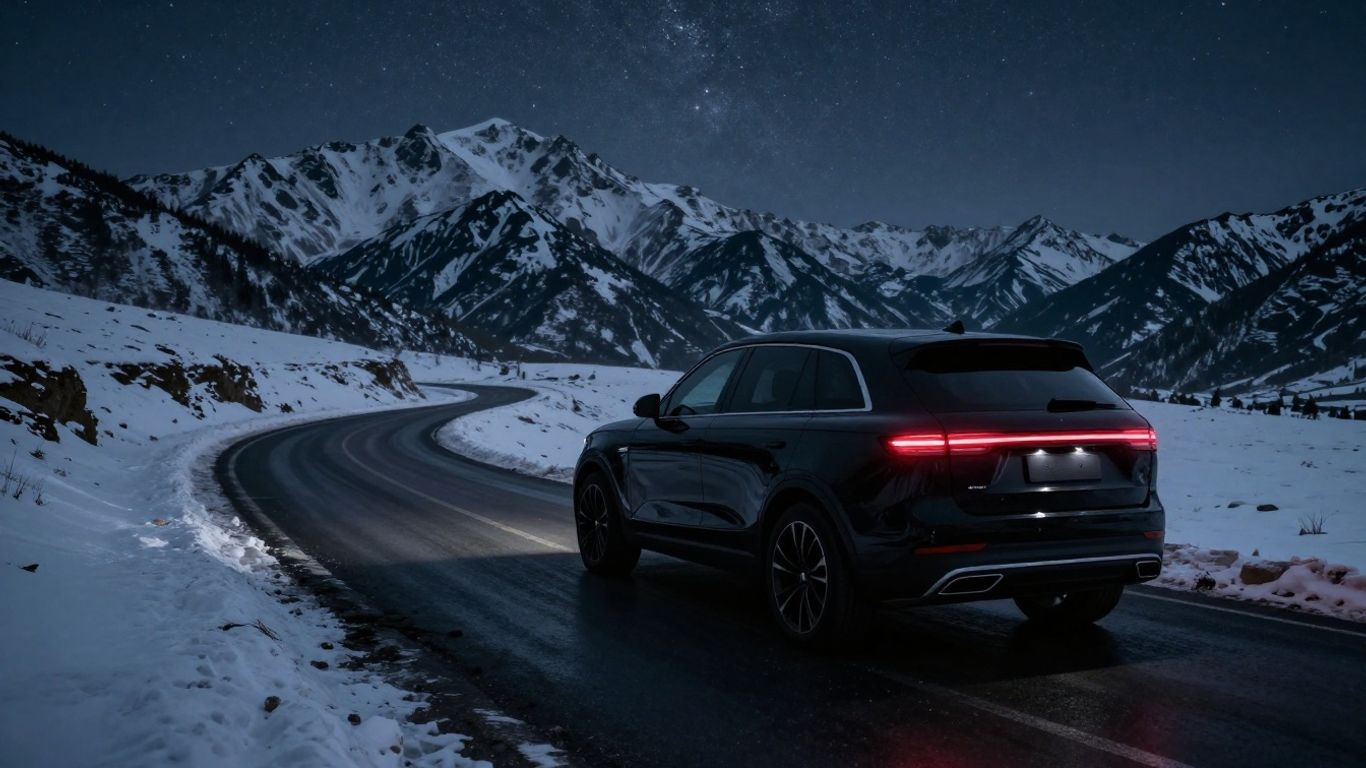
Logistics drive the success of any aurora hunt, specifically regarding how rapidly one can react to changing skies. Dedicated transport removes common obstacles that often delay movement in rural areas. Having a professional focused entirely on navigating weather conditions provides a clear edge for finding the lights.
Flexibility with start times and duration
Private operators can fine tune schedules to align with the latest solar activity reports. If the forecast suggests a strong display late in the night, the itinerary shifts accordingly. This responsiveness is a significant advantage over fixed tours that depart and return at set hours regardless of activity levels.
Comfortable and heated private vehicles
Cold weather impacts everyone differently, and staying warm is vital during long periods of waiting. Private vehicles, such as those used by Scenic Iceland, provide a controlled environment that is far more comfortable than public transport. Access to a warm base near the site allows for frequent breaks if the temperature drops suddenly.
Direct communication with your local driver-guide
Clear communication between guests and a guide helps in making informed decisions at each stop. Instead of following general instructions, you can ask specific questions about the history of the region or the science behind the lights. This one-on-one professional attention ensures that every hour of the tour is spent effectively.
Optimal planning for a successful hunt
Planning requires balancing solar forecasts with local conditions. While sightings rely on natural elements, technical preparation improves the odds of a meaningful experience. Experienced hunters monitor multiple variables to ensure they occupy the right spot at the right time.
Factoring in aurora forecast and cloud cover
Guides monitor satellite data to track cloud density across different regions. It is common to drive two hours in the opposite direction of the primary forecast to find a gap in the clouds. This strategic movement is only possible when you are not restricted by specific route policies.
Timing your visit during the peak winter months
Visibility depends on darkness, making the period between September and April the most suitable time to observe activity. Winter months offer longer nights, which increases the window of opportunity to wait for the clouds to clear. Visiting during these months is necessary to experience the lights properly.
Importance of real-time meteorological knowledge
Conditions in Iceland can change in minutes, necessitating a constant watch over weather sources. A guide who knows local microclimates will often choose a road that is sheltered from wind or cleared of ice. This expertise is why local guides are essential for safely navigating remote Icelandic roads.
What to expect from your private guide
Your guide acts as both a navigator and an educator while managing the technical aspects of the hunt. They are there to minimize stress and maximize clarity. They will work with you to understand the complexities of the aurora.
Professional photography assistance and settings
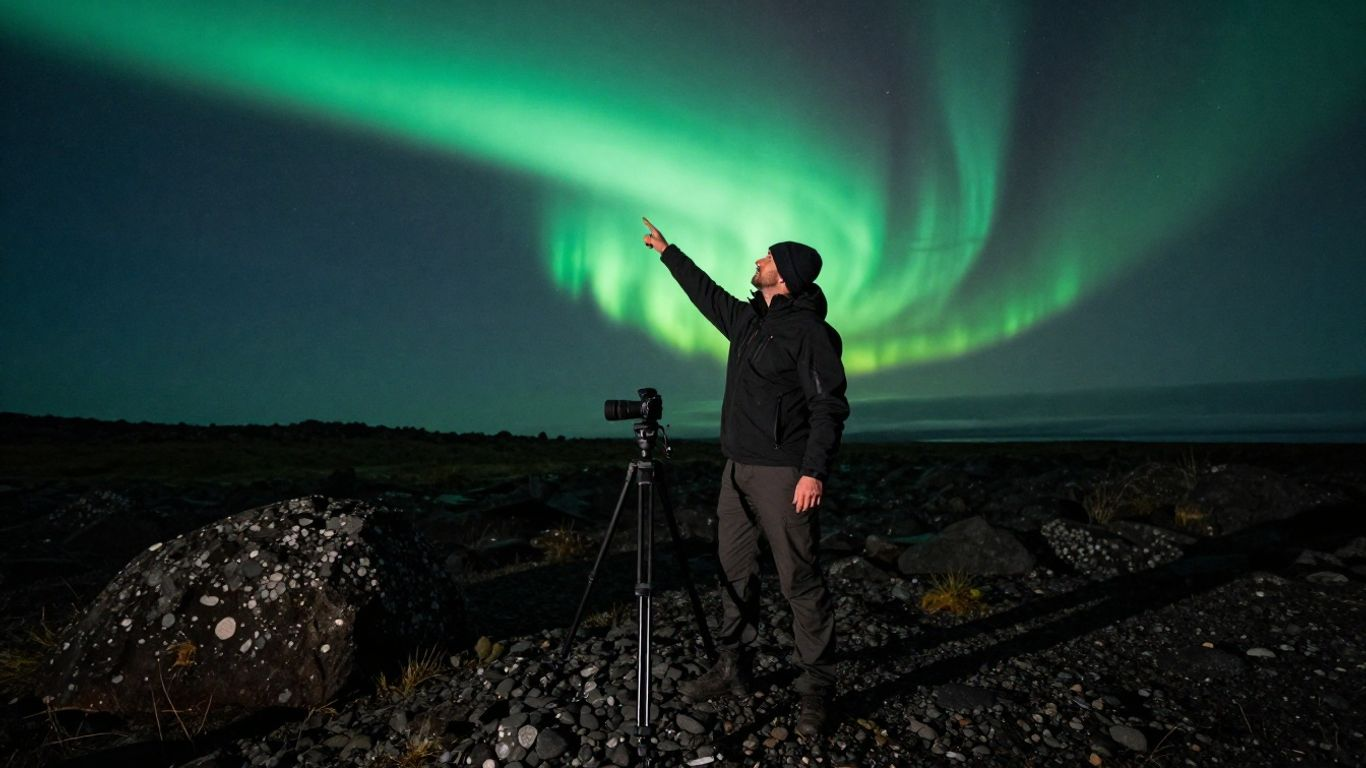
Capturing the lights requires specific manual camera settings and long exposures. Guides often provide tripod support and suggest aperture levels to help guests frame their shots against the dark sky. Having an expert on hand turns technical camera challenges into simple adjustments.
Cultural insights and Icelandic folklore
During transit, you can learn about the history of local communities and stories passed down through generations. These insights add depth to the journey beyond the immediate goal of spotting the aurora. You might find that exploring Icelandic geography is just as compelling as the night sky itself.
Adaptive decision-making for the best sightings
Most providers feature free rebooking for aurora tours which demonstrates a commitment to the guest experience. If conditions are poor, the guide will advise on when to try again, ensuring your resources are directed toward a night with a real potential for activity.
Packing and preparation tips for your tour
Preparation involves packing for wind and static cold rather than high-intensity movement. Wearing layers provides the best defense against changing environments during long evening sessions. Below are some recommended items to keep you steady throughout the night.
| Item | Importance | Purpose |
|---|---|---|
| Wool Base Layers | High | Moisture management |
| Windproof Outer Shell | High | Protecting against exposure |
| Insulated Boots | Medium | Keeping feet warm during wait |
You should always prioritize functional gear that works in multiple conditions. Having these items organized before pickup helps ensure you are ready to focus solely on the observation experience when you arrive at a site.
Essential winter gear for extended waiting
Standing under a dark sky requires protection from the wind. Beyond basic jackets, gloves and headgear that prevent heat loss from extremities are necessary. Guests who dress in thermal layers often find the wait much more manageable even when the air is still.
Managing expectations for light intensity
Natural phenomena do not always appear as they do in edited photography. The lights may appear as faint gray wisps before they gain color intensity or movement. Understanding this ensures that you appreciate the subtlety of the aurora borealis as it unfolds.
Selecting appropriate snacks and warm refreshments
Staying hydrated and nourished helps maintain energy levels throughout the night. Bringing thermos flasks or choosing tours that provide refreshments assists in keeping the body warm. Preparing your own extras adds an extra layer of comfort as you wait for gaps in the clouds.
Criteria for choosing the right tour provider
Selecting a company requires looking at their operational transparency and safety policies. A reliable provider should have clear procedures for handling unpredictable weather outcomes. Focus on companies that demonstrate long-term local operations.
Evaluating certifications and safety records
Safety is paramount when driving on icy roads at night. Reviewing whether a company follows standardized safety protocols helps ensure your trip is secure. Established providers focus on vehicle maintenance and driver training as core pillars of their service.
Checking cancellation and weather-related retry policies
Policies regarding weather are a primary indicator of provider quality. Look for companies that provide clear, written agreements on what happens if poor weather prevents the tour from departing. A solid policy allows for peace of mind while planning your schedule.
Analyzing authentic expert reviews and testimonials
Independent feedback provides a look at how companies handle common logistical hurdles. Pay attention to how past guests describe the communication style of their guides. Reviews that mention local Icelandic expertise and honest communication about aurora conditions are the most reliable signal of a quality operator.
Conclusion
Taking a private aurora hunt in Iceland maximizes the time spent in the dark countryside while providing the comfort required to remain patient. By selecting an experienced local team, you ensure that every logistical move is grounded in current weather data rather than rigid schedules. Prioritize these tours to gain a deeper look at the landscape and to better your chances of witnessing the lights in person.
Frequently Asked Questions
Is the northern lights season strictly in winter?
The viewing season runs from late August to the middle of April because the nights must be sufficiently dark to see the lights, as summer days have constant light.
Can you guarantee a sighting on a private tour?
No provider can guarantee a sighting because the visibility of the aurora depends on solar activity and clear skies, which are natural factors beyond any human control.
How does a private tour differ from a bus tour?
Private tours use smaller vehicles that can access remote regions quickly and allow for flexible schedules that adapt to the latest weather reports.
Do I need professional camera gear to capture the lights?
While high-end cameras perform well for long exposures, many modern devices can take photos if the lights are bright enough, and private guides often assist with settings.
How cold does it typically get during a tour?
Temperatures often sit around freezing, but the wind chill in open fields makes the air feel much colder, which is why multi-layer clothing is essential.
Should I book my tour at the start or end of my trip?
Booking a tour early in your visit is recommended to provide extra opportunities for rebooking if weather prevents your primary night from being successful.
Are the Northern Lights always green?
Green is the most common color during typical displays, but intense solar activity can sometimes create pink, violet, or red fringes depending on the gases involved.