
Key Takeaways
Planning a trip to witness the aurora requires careful timing and an adventurous spirit. Here are the most essential considerations for your Icelandic journey:
- Visit between September and March for the best solar activity and night length.
- Always keep your plans flexible to account for the unpredictable Icelandic weather.
- Look for locations far away from urban centers to minimize light pollution.
- Utilize local tools and expertise to maximize your chances of a successful sighting.
- Understand the reality of auroral displays to keep your expectations realistic.
Understanding the optimal season for your visit
Experience is everything when searching for the night sky’s most elusive display. The best time to see northern lights in iceland stretches across the colder months when the nights are at their longest, allowing for the maximum window of dark sky necessary for viewing.
The prime months for aurora activity
Most travelers find the greatest success by timing their visit between September and March. During these months, the sun sets early and rises late, providing the extended darkness needed to spot even the faintest flickers of color. While solar activity can happen at any time, the sheer length of the night during mid-winter creates the most favorable conditions for those hoping to witness the phenomenon.
Balancing daylight hours and darkness
While winter offers the best darkness, it is essential to remember that Iceland’s weather is notoriously fickle. If you visit in December or January, you will enjoy plenty of night hours, but you might also contend with heavy storms that obscure the sky. Many visitors find that balancing the need for darkness with a slightly safer travel period in late autumn or early spring provides a better overall holiday experience.
Weather patterns and sky visibility
Clear skies remain the single most important factor regardless of the time of year. A high level of solar activity will simply not be visible if a dense cloud layer sits between you and the upper atmosphere. Local weather reports are your best friends, often indicating where the gaps in the clouds might appear, allowing you to drive toward clearer patches for a better view.
Factors that influence auroral displays
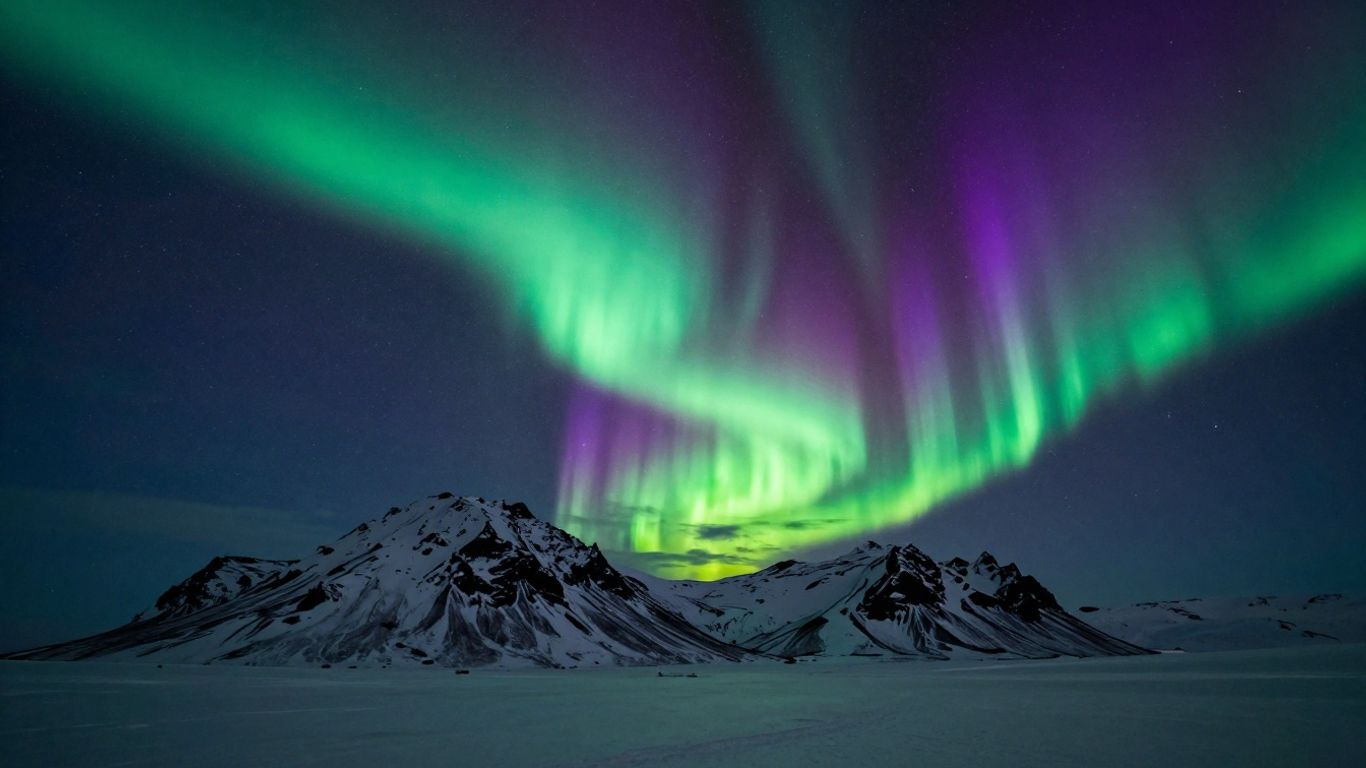
Scientific conditions fluctuate constantly, and understanding these variables can help you feel more confident during your hunt. Solar wind intensity interacts with the Earth’s magnetic field to create those legendary curtains of light, and several factors dictate whether these curtains stay faint or turn into vivid, moving ribbons.
Solar cycles and sunspot activity
Long-term patterns are driven by the sun’s 11-year cycle. During periods of peak activity, the frequency of sunspots increases, which in turn leads to more frequent and intense geomagnetic interactions.
Kp-index and geomagnetic storms
The Kp-index is a standardized scale that helps observers estimate the likelihood of aurora sightings at different latitudes. It serves as a rough barometer for the intensity of a geomagnetic disturbance.
| Kp-Index | Activity Intensity | Expected Viewing Scope |
|---|---|---|
| 0-1 | Low Activity | Very faint, stationary glows |
| 2-3 | Moderate Activity | Visible movement with eyes |
| 4-5 | High Activity | Dramatic ribbons and bright colors |
Tracking the Kp-index is common practice, but remember that even a low number can yield a beautiful display if the sky is exceptionally dark and clear near you.
Light pollution and environmental impact
Artificial light from cities and towns effectively masks the dimmer auroras. Even a small village can spill enough ambient light to ruin your visibility, which is exactly why Scenic Iceland emphasizes leaving the city limits entirely. Getting into the true wilderness is the only way to ensure your eyes have the best chance to adjust to the natural environment.
How to track the northern lights effectively
Staying updated requires a mix of technology and local knowledge. Successful hunters often check multiple sources before committing to an excursion, ensuring they have the most accurate data for their specific area.
Using local weather and cloud cover forecasts
Official meteorological services provide detailed maps that highlight expected cloud density at different altitudes. This granular data allows you to plan your route rather than waiting blindly in one spot.
Relying on official aurora alert apps
Several mobile applications provide real-time updates and push notifications when activity levels spike in your region. These tools can be helpful, though they are only as good as the incoming data and should supplement, not replace, your own observations of the sky.
Interpreting satellite imagery
Advanced trackers often look at satellite feeds to monitor the actual movement of cloud banks. By seeing exactly where the clouds are moving, you can predict with some certainty whether a clear view is coming your way in the next few hours.
Best locations for prime viewing in Iceland
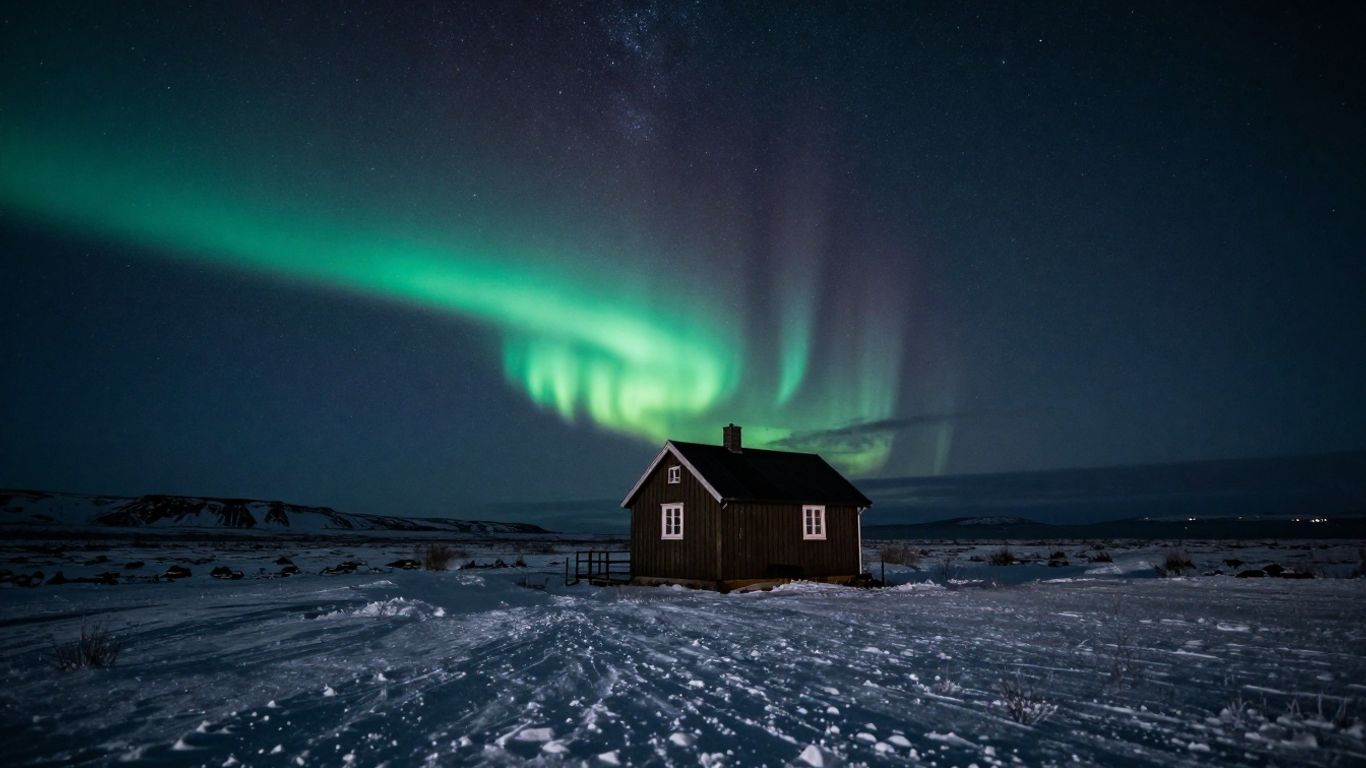
Choosing the right spot ensures your night is not spent staring at clouds or bright headlights. Iceland has vast reaches of uninhabited terrain where the absence of light allows for stunning visibility, but you must be strategic in your positioning.
Escaping the light of Reykjavík
Driving just an hour outside the city can significantly improve your chances as the dark horizons open up. Taking an expert-led tour from the capital allows you to join people who study the terrain daily, making it easier to reach these secluded spots safely.
Remote spots in the Westfjords and the North
The further you get from population hubs, the better your experience will likely be. Places like the Westfjords offer dramatic backdrops where the mountains frame the light show perfectly. Before you set out, consider these quick tips for choosing your final waiting location:
- Find a flat area without significant wind blocking features.
- Park away from main roads to avoid interference from passing vehicles.
- Look for a wide field of view that includes a portion of the northern horizon.
- Ensure you are carrying a comprehensive packing list so you can wait comfortably in the cold.
Following these simple steps ensures you spend more time watching for the lights and less time worrying about logistics or safety.
Choosing between coastal vantage points and inland mountains
Coastal areas often offer a clearer view of the horizon, while mountainous regions provide majestic silhouettes. Both can be rewarding, but coastal spots frequently benefit from wind clearing away lingering clouds.
Preparation and planning for a successful hunt
The most successful hunts are those where the traveler remains calm and resilient, understanding that nature dictates the timing rather than the clock on your wall. Keep your expectations grounded, appreciate the serenity of the Icelandic night, and always be prepared to wait for the clouds to break.
Being ready is about more than just warm clothes; it is about mindset. You are seeking a natural phenomenon, which means you are engaging in a bit of a gamble with the elements, but a well-prepared traveler can handle the cold and the wait with grace.
Essential gear for cold-weather photography
Taking photos requires a sturdy tripod and extra batteries, as the cold drains energy much faster than you expect. Many travelers book a specialized photo tour to get help from experts who know how to balance long exposures with the rapid movement of the lights.
Staying flexible with your travel itinerary
Always leave room in your schedule for at least one or two extra nights of searching. If the weather looks poor on your first night, don’t let it ruin your spirit. The atmospheric conditions in Iceland change with incredible speed.
Hiring local guides for expert insight
Local guides bring deep knowledge of the land, knowing exactly which tracks are passable after a snowfall and which valleys offer the best shelter. Their all-Icelandic personal service ensures your hunt is handled with care and professional expertise.
What to expect during your aurora tour
It is important to remember what the human eye versus a camera lens will perceive. Most people expect to see bright neon colors immediately, but the reality involves a more nuanced experience that unfolds over time.
Distinguishing between faint glows and dancing ribbons
Sometimes the aurora starts as a simple, static glow that resembles a distant cloud. If activity increases, that glow may begin to shift, creating those famous, sweeping curtains that define the experience for so many.
The reality of naked-eye visibility versus camera capture
Modern sensors are much more sensitive to light than our eyes. Your camera might record deep greens and even purples long before your eyes register anything more than a grayish blur, so don’t be discouraged if the initial view seems subtle.
Considering tour company reliability and cancellation policies
When booking your adventure, look for companies that value honesty about their daily chances. Working with established teams ensures that you have a fallback plan, including potential rebooking if the sky doesn’t cooperate on your assigned night.
Conclusion
Witnessing the aurora borealis is a profound experience that stays with you long after you return home. By choosing the right season, seeking out dark, remote skies, and relying on the wisdom of local guides, you give yourself every possible advantage in your pursuit of this celestial wonder.
Frequently Asked Questions
Is it guaranteed that I will see the lights if I visit during winter?
No sighting can ever be 100% guaranteed because the lights depend on both active solar conditions and perfectly clear skies, which are unpredictable.
Should I rent a car to find the lights on my own?
While many people do rent cars, it is often safer and more successful to join a guided tour, especially if you are not accustomed to driving on icy, dark Icelandic roads.
What should I wear to stay comfortable while waiting?
Focus on layering, starting with wool or synthetic base layers, followed by a warm mid-layer, and finishing with a high-quality, windproof, and waterproof outer jacket to handle the damp cold.
Can I photograph the northern lights with my smartphone?
Modern high-end smartphones have night modes that can capture the lights, but a dedicated camera with manual settings and a tripod will always provide much better results for this specific type of low-light photography.
Why do the lights move so much?
The movement is caused by the interaction between charged solar particles and the gases in the Earth’s atmosphere, which act as a dynamic, shifting canvas for the lights to follow along magnetic field lines.
What is the best time of night to look for auroras?
While they can appear at any hour of darkness, many trackers suggest that the hours around midnight often yield the most active and vibrant displays.
Are the lights visible from Reykjavík city center?
Visibility from within the city is very poor due to heavy light pollution, which is why it is almost always necessary to travel well outside of the urban areas to get a decent look.