
Key Takeaways
Reynisfjara is a coastal landmark famous for its distinctive volcanic black sand and powerful Atlantic surf. Visiting safely requires awareness of environmental risks and guided expertise for navigation.
- The black sand beach formed over thousands of years from fragmented lava cooling in the ocean.
- Sneaker waves are a constant danger and require visitors to stay well away from the water line.
- Basalt columns at the cliff site provide unique geological perspectives for photographers.
- Local guides offer necessary safety oversight during volatile weather conditions.
- Seasonal timing impacts both visitor density and the quality of photographic light.
2026 update: winter storms reshaped the beach
In February 2026 persistent easterly tides and strong Atlantic storms accelerated erosion at Reynisfjara. Sand levels dropped near the basalt columns, a steeper edge formed between the upper beach and the shoreline, and boulders that had been buried for years came into view. Some pathways and signs were damaged in the process.
The beach did not collapse and it remains open. Since March 2026 the tides have been carrying much of the sand back, and locals report the landscape settling toward what they are used to. Conditions are monitored closely and short closures can happen when weather or currents demand it. The shoreline you meet may look different from older photos, which is one more reason to visit with a local guide who knows the current state of the beach on the day you arrive.
Getting to Reynisfjara
Navigating to the southern coast requires attention to road conditions and unpredictable weather shifts. While some travelers consider navigating these complex routes alone, joining a 2-day South Coast & Glacier Adventure ensures you reach the site without the stress of managing Icelandic transport logistics yourself. Relying on professional drivers means you can prioritize the scenery over navigating narrow, wind-swept roads.
Driving from Reykjavik
The journey from the capital covers wide stretches of open lava fields and rolling landscapes. By choosing a guided tour, you eliminate concerns over fuel stops or sudden road closures that frequently affect private transit. Local drivers possess the real-time knowledge needed to adjust routes safely if conditions turn.
Parking logistics and visitor fees
Accessing the beach facilities can be time-consuming during peak hours. Organized excursions manage these logistical hurdles, dropping you off efficiently while handling entry arrangements and scheduling for the group.
Choosing the best time of day to visit
Early morning or late afternoon arrival helps avoid the heavy influx of independent daily visitors. A complete guide to Icelandic travel routes highlights how early departures minimize wait times, allowing more room to walk the shore and photograph the landscape when it is quiet.
Understanding sneaker waves and safety
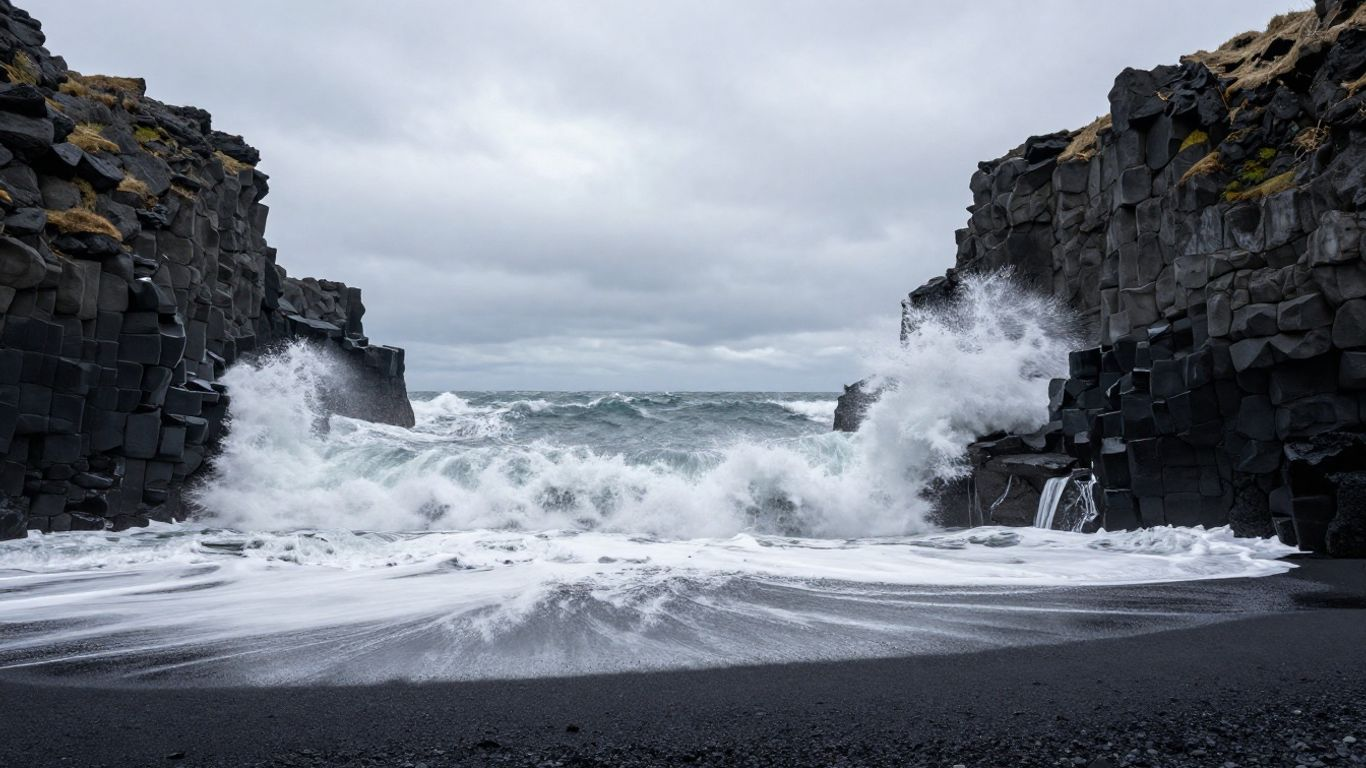
The high energy of the North Atlantic creates a volatile shoreline environment. Ocean surge at this location can drag individuals into the sea unexpectedly, making caution a mandatory requirement for every visitor. Professional guides operate with a sharp focus on safety, monitoring the sea state continuously to prevent risky encounters.
The science behind dangerous rogue currents
The bathymetry near the shore allows waves to maintain significant speed and power before hitting the shallow beach. These rogue pulses often surge much further up the beach than average wave cycles, resulting in rapid water elevation changes.
Reading warning signs and coastal alerts
Authorities maintain a comprehensive notification system at the beach entrance. Obeying these color-coded warnings is the only way to gauge current risk levels regarding tide and wind speed.
Maintaining a safe distance from the shoreline
Never underestimate the distance the water can reach during a calm-looking cycle. Keep a generous buffer zone from the wet sand line at all times, as the sea can shift its footing without warning.
Geological features of the beach
The composition of the shore reveals millennia of volcanic activity. You can compare the key elements found across the site in the following overview.
| Feature | Origin | Visible Quality |
|---|---|---|
| Basalt Columns | Volcanic Cooling | Geometric Symmetry |
| Halsanefshellir | Marine Erosion | Curved Architecture |
| Reynisdrangar | Sea Stacks | Jagged Vertical Rise |
Formation of the basalt columns at Gardar
The cooling process of thick lava flows created these vertical structures. As the heat dissipated, the rock contracted and fractured into the hexagonal columns now lining the cliff face.
Exploring the Halsanefshellir sea cave
This natural cavity sits along the cliffside to the west. While it offers a unique vantage point under the basalt canopy, visitors should prioritize checking the local tide tables to ensure they do not become trapped inside during rising water levels.
Legends and composition of the Reynisdrangar sea stacks
These towering pillars stand as remnants of ancient rock formations eroded by the sea. Local folklore attributes these shapes to mythical figures petrified by daylight, adding a layer of narrative to the geological history of the coast.
Essential gear for your visit
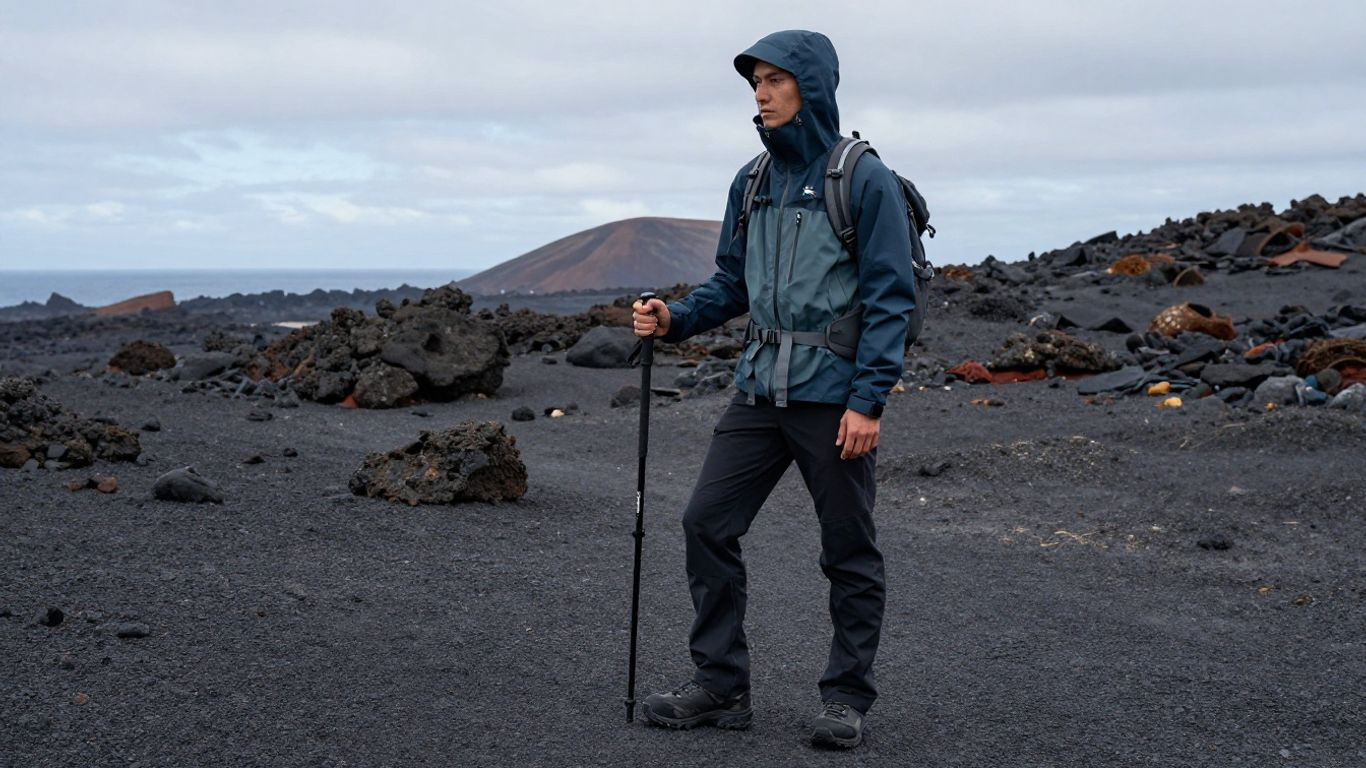
Preparing for the South Coast requires layering that holds up against pervasive moisture. High-quality equipment ensures you can focus on the Icelandic photographic experience without suffering from the cold.
Selecting waterproof and windproof outerwear
Effective defense against Atlantic spray involves high-spec shells. Choosing items that block wind while allowing interior moisture to escape is necessary for long periods spent walking the shoreline.
Choosing footwear for wet, sandy terrain
Supportive, waterproof hiking boots are vital for navigating the porous, often damp surface. Key features to prioritize include:
- Deep-tread outsoles for improved traction on loose pebbles.
- Sealed seams to prevent water ingress during shore walks.
- High-ankle support for stability on uneven geological surfaces.
- Moisture-wicking linings to keep your feet dry throughout the adventure.
Protecting camera gear from salt spray and moisture
Salt spray from the heavy surf can coat lenses in moments. Keep dedicated cleaning cloths and weather-sealed cases handy to ensure your photography in Iceland remains high-quality, even when damp.
Nearby attractions to pair with your trip
The South Coast provides multiple stops that showcase the region’s raw geology. Combining these sights allows for a more comprehensive understanding of the volcanic landscape.
Taking in views at Dyrholaey lighthouse
The headland offers sweeping views of the black sand shoreline and the vast ocean horizon. Accessing the top provides a perspective on the coastline that is difficult to replicate from sea level.
Finding services in the village of Vík í Mýrdal
This small coastal village serves as the main hub for essential services in the south. It provides a convenient base to gather supplies or take a break from the coastal winds.
Planning a stop at Skógafoss waterfall
This massive cascade is a standard highlight on most curated excursions. Viewing the Skógafoss waterfall offers a different geological perspective, contrasting the raw power of the falls with the quiet scale of the black sand beach.
Photography tips for the black sand
Capturing the aesthetic of this beach requires balancing dark foregrounds with bright sky elements. The high contrast between the white foaming water and the charcoal sand provides a perfect palette for minimalist compositions.
Capturing the contrast of white surf and black sand
Using a longer exposure time during the day can smooth the water turbulence. This technique turns the rushing surf into a soft, ghostly blur against the sharp texture of the dark volcanic stone.
Shooting during the soft light of the shoulder season
Spring and autumn offer light that spreads evenly across the cliffs. This diffused illumination reduces harsh shadows, allowing the geometric patterns in the basalt columns to stand out clearly.
Ethical photography and local drone flight restrictions
Respecting the environment and other visitors is paramount. Many areas near the cliffs have strict prohibitions against drone use to protect nesting seabirds and maintain the serenity of the site for everyone.
Conclusion
Visiting Reynisfjara beach reveals the immense forces shaping the Icelandic coast. By choosing to join a small-group excursion, you gain the benefit of local guidance, which increases both your safety and your ability to appreciate the geological history of the area. Following basic safety protocols and respecting the wild environment ensures that this location remains a rewarding stop on your journey through the South Coast.
Frequently Asked Questions
Is it safe to swim at the beach?
Swimming is strictly prohibited due to notoriously unpredictable wave strength and powerful currents that can pull individuals into the deep water without warning.
Why is the sand black?
The sand consists of tiny fragments of lava and basalt that have been broken down into small particles through centuries of constant wave action and weathering.
Are there guided tours available to this location?
Yes, many professional tour companies offer excursions that stop at this beach as part of a broader itinerary along the South Coast, providing expert insight and safety.
Can you climb on the basalt columns?
While they are accessible for photography, avoid climbing on them as the stone can be loose and slick from damp air and ocean salt.
Why are the waves so dangerous?
The beach is subject to a phenomenon known as sneaker waves, which are sudden, high-energy pulses of water that reach significantly higher than the average tide line.
Do I need a four-wheel-drive vehicle to reach the beach?
Access to the parking area is generally open during the summer, but winter conditions make navigating these roads difficult without experienced local drivers who know how to handle Icelandic weather.
How much time should I spend at the beach?
Most visitors find that one hour is sufficient to walk the shore, view the sea stacks, explore the cave, and photograph the basalt formations before moving on to the next attraction.