
Key Takeaways
Iceland suits a honeymoon built around dramatic scenery, warm stays, and a little patience with the weather. Plan the aurora as one part of the trip rather than its only purpose.
- Choose a guided tour that matches your preferred level of privacy and comfort.
- Aim for September through March for the darkest skies, though Scenic Iceland runs aurora tours from late August to mid April.
- Leave room in the itinerary for cloud cover and changing road conditions.
- Pair evening aurora hunting with lagoons, waterfalls, glaciers, and good meals.
- Pack for long outdoor waits, wet weather, and cold wind.
Why Iceland works for a northern lights honeymoon
A northern lights tour for couples honeymoon Iceland travelers can shape around both the sky and the landscape below it. Iceland keeps daytime sightseeing varied, so the trip still feels worthwhile when the aurora stays hidden. The best honeymoon plans allow for unhurried mornings, scenic stops, and evenings that do not feel over-scheduled.
Aurora viewing conditions and realistic expectations
The northern lights are natural, so no tour can promise a display on a particular night. Darkness, clear or partly clear skies, and solar activity all matter, while cloud cover can obscure an active aurora. The prime viewing window runs from September through March, when the nights get properly dark, but visibility changes from one night to the next. Scenic Iceland runs its own aurora tours wider than that, from late August to mid April, so a late-August or early-April honeymoon is not the write-off people assume.
Book your aurora outing early in the stay rather than on the last night. That leaves you room to try again when the clouds win, and the clouds win often. Scenic Iceland explains the conditions in its Northern Lights guide, including the value of getting away from city lights and preparing for cold evenings.
Romantic landscapes beyond the lights
The aurora is only one reason to come. Waterfalls, lava fields, black-sand beaches, glacier lagoons, and wide coastal views give couples plenty to share during daylight. These places also create a natural rhythm for a honeymoon, with active days balanced by quiet meals and warm accommodation.
The South Coast is especially useful for this kind of trip because several contrasting landscapes fit into one route. A local guide can add context to the geology and make sensible decisions about stops when weather changes.
Choosing the right honeymoon season
September and October bring dark evenings while much of the country remains accessible for sightseeing. From November into winter, the nights are longer, though wind, snow, and limited daylight can affect plans. March offers returning daylight alongside continued aurora opportunities, which can make daytime touring feel easier.
There is no single perfect month for every couple. Consider whether you care most about longer daylight, winter scenery, glacier activities, or a gentler travel pace. A guided itinerary can be adjusted around the practical conditions of the season.
Balancing adventure, comfort, and downtime
A honeymoon should not feel like a race between attractions. One substantial activity per day is often enough, especially when an evening tour may run late or require time outside in the cold. Build in a slow breakfast, a lagoon visit, or an afternoon back at the hotel.
The most comfortable plans alternate effort and rest. A glacier outing can be followed by a good dinner, while a quieter Reykjavík day can lead into an evening aurora search without leaving you worn out.
How to choose the right northern lights tour
The right tour depends on how much privacy, flexibility, and support you want. Couples should compare the setting, pickup arrangements, vehicle, photography help, and the policy if the lights do not appear. Guided travel is particularly useful in Iceland, where weather and road conditions can change quickly.
Small-group, private, and self-drive options
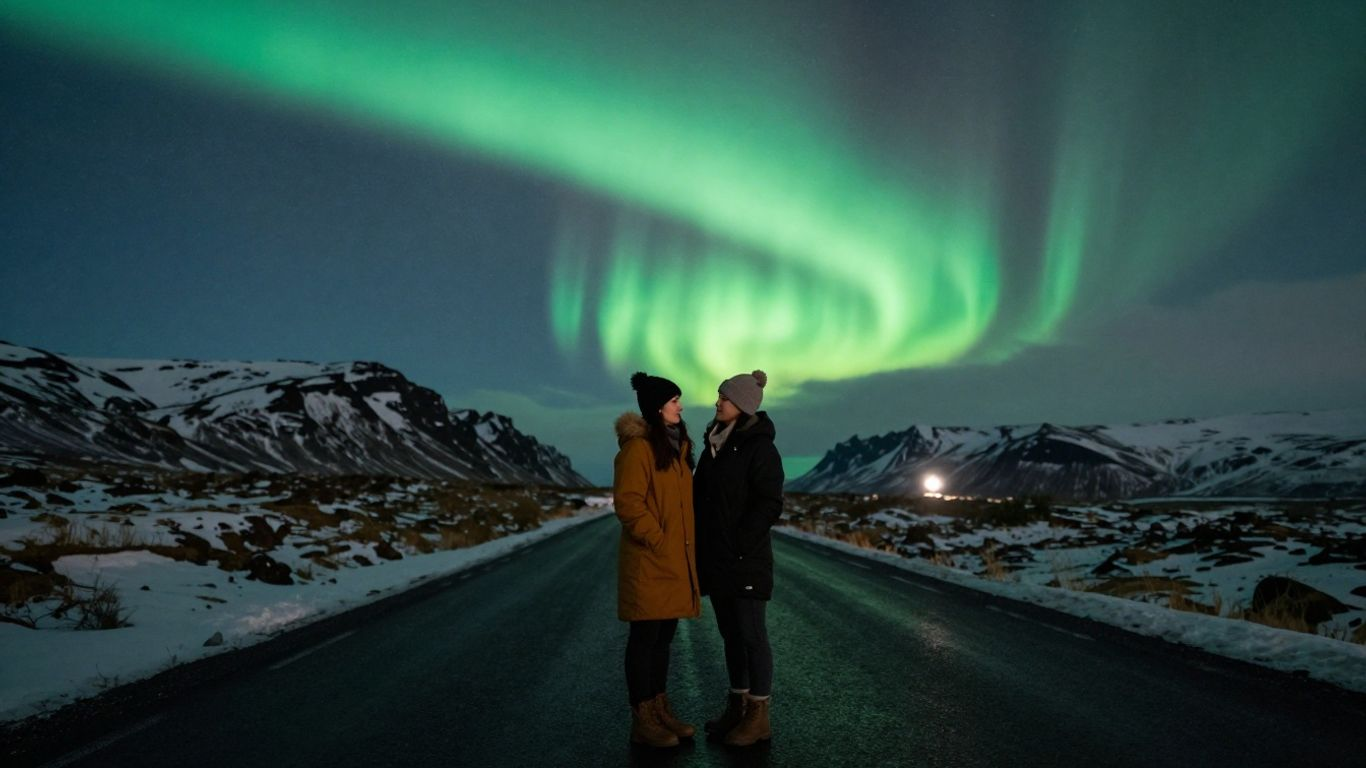
Scenic Iceland offers guided small-group tours rather than self-drive trips. That means couples can concentrate on the experience while a professional local guide handles the route and responds to conditions. A small group suits travelers who enjoy sharing the evening, while a private tour offers a more personal setting.
If you want a photography-focused evening from Reykjavík, the Northern Lights Photo Tour leaves at 21:00 with Reykjavík hotel pickup, runs about four hours, caps the group at 19 and starts from 9,900 ISK. It operates from late August to mid April. For couples who would rather have the evening to themselves, a private outing buys a quieter pace and more room for personal requests.
Tour length, pickup locations, and road conditions
Check where pickup and drop-off take place before booking, especially if you are staying outside central Reykjavík. Ask how much time is spent traveling, waiting, and walking on uneven ground. A longer outing may reach darker areas, but it can also make a late return more tiring.
Road conditions matter just as much. Snow, wind and ice rewrite the route on the night, and a guide who knows the area will quietly drive somewhere safer rather than gamble. Dress properly even if you expect to spend most of the evening near the vehicle. Standing still in an Icelandic wind is colder than walking in one, and the good displays never arrive on schedule.
Aurora forecasts, cloud cover, and local guide knowledge
Forecasts help. They do not promise anything. A guide reads cloud maps, aurora activity and darkness together, then makes a call about where to drive, and that judgment is most of what you are paying for. The alternative is refreshing four different services in a rental car and guessing.
Scenic Iceland guides hunt the aurora actively, reading real-time forecasts alongside local knowledge of where the sky tends to open up. Its northern lights tours carry a Northern Lights Guarantee: free rebooking until you see the lights, subject to the tour terms. Check whether the operators you are comparing offer the same, because plenty do not.
What happens when the lights do not appear
A cloudy night stings, but it does not have to define the trip. Ask before you book whether the operator rebooks you, what conditions apply, and whether you have to make contact before you leave Iceland. That last detail is the one that catches people out.
Use the unsuccessful evening as a reason to protect the rest of your itinerary. Keep at least one later night available, rather than filling every evening with reservations that cannot move.
Where couples should stay in Iceland
Accommodation shapes how the honeymoon feels between tours. Reykjavík offers restaurants and culture, while countryside stays provide darker skies and a slower pace. Many couples choose a combination rather than one base, moving from city comforts to open landscapes.
The practical choice is to match each stay with the activities nearby. Avoid planning long evening transfers after an aurora outing when a closer room would make the night calmer.
Reykjavík for dining, culture, and easy tour access
Reykjavík works well at the beginning or end of a honeymoon. Couples can walk between restaurants, museums, cafés, and the harbor, then join a guided evening tour with a central pickup. It is also a sensible base when you want several choices for dining after a day outdoors.
Keep the first day light if you arrive after a long international flight. A relaxed meal and early night will help you enjoy the first tour more than an ambitious schedule packed with stops.
South Coast hotels for waterfalls and black-sand beaches
Staying along the South Coast reduces repeated travel from the capital and places waterfalls, volcanic scenery, and black-sand beaches closer at hand. It also makes it easier to enjoy the countryside after the busiest sightseeing hours have passed.
A multi-day guided route can combine these landscapes with overnight accommodation. Scenic Iceland’s 2-Day South Coast and Glacier Adventure runs all year from 77,900 ISK and pairs the South Coast sights with a glacier experience: an ice cave from October to April, or a glacier hike from May to September.
Countryside lodges with hot tubs and open-sky views
A countryside lodge can give the honeymoon a more private, restful character. Look for a property with a comfortable common area, a good dinner option nearby, and outdoor space where you can step outside to check the sky. A hot tub is welcome after a cold evening, but it should support the itinerary rather than dictate it.
Ask about late arrivals and breakfast times before booking. These small details matter when a tour returns late or an early departure follows a night of aurora watching.
Remote stays near low-light viewing areas
Remote accommodation cuts the artificial light and makes it easy to step outside the moment the sky clears. It guarantees nothing, and distance from town means fewer places to eat and fewer ways to get anywhere.
For many couples, the strongest arrangement is a mix of bases. Spend some nights where dining and tour access are simple, then add countryside nights where darkness, quiet, and views become part of the stay.
How to build a romantic Iceland honeymoon itinerary
A good itinerary leaves space for weather without becoming vague. Start with the experiences that matter most, then arrange nearby sights around them. Guided multi-day tours can simplify transport and accommodation while allowing couples to focus on the scenery.
A two-night Reykjavík and countryside plan
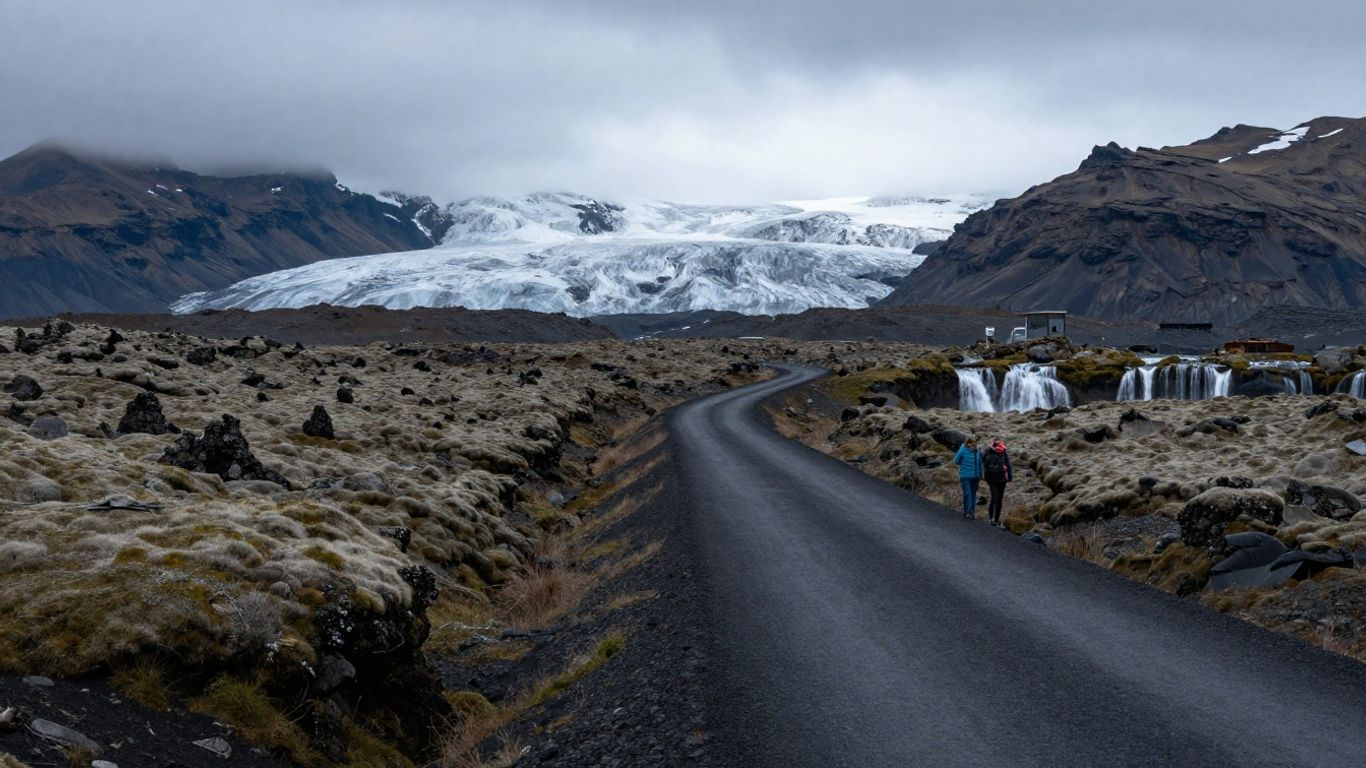
With two nights, keep the plan focused. Use Reykjavík for arrival, a meal, and an evening aurora tour, then spend the next day exploring a nearby area or moving to a countryside stay. If the weather is poor on the first night, the second evening may provide another opportunity, depending on tour availability.
Do not try to cover the whole island in this timeframe. A short honeymoon becomes more enjoyable when it has one clear landscape focus and enough time to rest.
A five-day South Coast and aurora route
Five days allow a deeper South Coast experience. Couples can combine Reykjavík with waterfalls, Reynisfjara, glacier scenery, and a stay near the southeast coast, then return at a measured pace. The route works particularly well when the aurora tour is treated as part of the journey instead of a separate box to tick.
For a guided overview of Iceland’s main regions and activities, the full Scenic Iceland tour lineup lays out the glacier outings, South Coast routes and northern lights evenings side by side, which makes the sequencing easier to settle.
A weeklong Ring Road honeymoon option
A week can support a broader route, but it still requires restraint. Choose a few priority regions and accept that weather may change the order. Couples who want a glacier experience should confirm the season and logistics rather than assuming every activity runs year-round.
A guided multi-day journey is often more comfortable than trying to manage every transfer yourself. It also leaves couples free to watch the changing scenery, talk, and take photographs without constantly planning the next turn.
When to schedule the northern lights tour
Put the first aurora outing early enough in the trip to leave room for a second attempt. Do not schedule it for the night you land, or the night before a glacier day. A night with no fixed early breakfast afterward gives you time to wait comfortably and sleep in.
It is also wise to protect more than one evening. That small amount of flexibility is often more valuable than squeezing in one additional daytime attraction.
What to do before and after the aurora tour
Aurora evenings become more enjoyable when the surrounding day is well paced. Iceland offers enough daytime activities to make a cloudy night feel like one part of a full honeymoon rather than a failed plan. Keep the schedule active, but leave room to dry clothes, eat properly, and rest.
Soaking in geothermal lagoons together
A geothermal lagoon is an easy way to slow down between excursions. Warm water, changing light, and a quiet conversation can reset the pace after a long day outdoors. Book a time that does not force you to rush back for pickup.
If you visit before an aurora tour, keep the afternoon uncomplicated. If you visit afterward, it can provide a gentle final memory before returning to Reykjavík or the airport.
Exploring waterfalls, glaciers, and volcanic scenery
Daylight reveals a different Iceland from the one you see at night. Waterfalls such as Skógafoss, volcanic terrain, glacier edges and black-sand beaches keep the trip varied. Take the coastal warnings seriously. Reynisfjara has a red, yellow and green warning light at the entrance telling you what the waves are doing that day, and it is there because people have been killed ignoring the sneaker waves.
The contrast between bright daytime landscapes and a dark winter sky is part of the appeal. It also gives couples plenty of photographs and shared moments even if the aurora remains faint.
Booking glacier walks and other guided adventures
Glacier travel should be guided and properly equipped. Scenic Iceland’s glacier information explains why certified guidance matters around crevasses and unstable ice. The Vatnajökull glacier hike departs from Jökulsárlón and runs May to September, from 16,500 ISK. The Breiðamerkurjökull ice cave runs October to April, from 21,900 ISK. They are seasonal opposites, so whichever half of the year you marry in, one of the two is open.
Choose one demanding adventure rather than stacking several in a single day. The extra time makes the experience feel considered, especially on a honeymoon when conversation and comfort matter as much as the activity.
Planning romantic meals and special experiences
Reserve a few meals that feel distinct from ordinary travel days, but do not pre-book every hour. A seafood dinner in Reykjavík, a warm meal near the South Coast, or a quiet breakfast with a view can become a highlight without elaborate planning.
Tell your accommodation or guide that you are celebrating if you would appreciate help with a small arrangement. Keep requests specific and realistic, and leave some evenings free for the weather.
What couples should pack and budget for
Iceland rewards practical packing more than a large suitcase. Weather can shift within a single outing, and standing outside for an aurora requires more warmth than walking between city attractions. Budgeting should include comfort, transport, activities, and a little flexibility.
Warm layers and footwear for long outdoor waits
Bring a moisture-wicking base layer, an insulating mid-layer and a waterproof outer layer. Warm socks, gloves, a hat and sturdy waterproof boots stop being optional the moment you plan to stand still outdoors for an hour. Leave the cotton at home, because it holds moisture against the skin and stays wet all evening. Umbrellas are useless here, so do not pack one.
A useful packing system includes:
- One waterproof jacket and waterproof trousers.
- Warm layers that can be added or removed.
- Waterproof boots with dependable grip.
- Gloves, hat, neck covering, and spare socks.
These items are not excessive for an aurora night. They make it easier to stay outside when the sky clears, which is when the wait suddenly feels worthwhile.
Camera gear and night photography basics
A camera with manual controls, a sturdy tripod and a fully charged battery will do more than a phone alone. Bring spare batteries, because the cold drains them fast and always at the wrong moment. A wide lens and a simple remote shutter release help too.
Practice basic night settings before leaving home. More importantly, do not spend the entire display looking at a screen. Take a few photographs, then put the camera down and share the moment.
Tour, accommodation, and transportation costs
Costs vary with the season, accommodation standard, tour style, and number of guided activities. Compare what is included rather than focusing only on the headline price. A multi-day tour may include transport, accommodation, and guiding, while a day outing may leave those arrangements separate.
| Budget area | What to compare | Why it matters |
|---|---|---|
| Aurora tour | Group setting, photography help, rebooking policy | Changes comfort and flexibility |
| Accommodation | Location, breakfast, late arrival arrangements | Affects rest and evening logistics |
| Activities | Guide, equipment, seasonal availability | Determines preparation and total cost |
| Transport | Pickup, transfers, and route coverage | Reduces unexpected planning |
This comparison gives couples a clearer total picture. It also helps identify where spending more improves the experience, such as choosing a convenient stay after a late tour.
Travel insurance and winter driving considerations
Check that your travel insurance actually covers the activities you booked, glacier walks included, and read what it says about weather disruption. Read the exclusions, because plenty of policies quietly drop anything involving ice.
Because Scenic Iceland operates guided tours, couples can avoid planning a winter driving route themselves. Even so, allow flexibility around pickups and road closures, and keep emergency contact details available while traveling.
How to make the northern lights experience more special
Romance usually comes from attention rather than elaborate extras. Choose a tour that suits your energy, arrange warmth and food thoughtfully, and leave enough room for the sky to do whatever it will do. The experience feels more personal when the plan supports conversation instead of competing with it.
Booking a private guide or premium tour
A private guided tour can suit couples who want a quieter evening, a flexible pace, or more focused photography help. Discuss pickup, clothing, accessibility, and the type of landscape you hope to visit before booking. The guide can then explain what is realistic for that night.
Scenic Iceland’s Private Northern Lights Photo Tour takes one to six people, leaves between 20:00 and 21:00 with hotel pickup, runs three to four hours and starts from 49,000 ISK. It operates August to April. Worth the money when you would rather not share the moment with a minibus of strangers.
Adding a countryside dinner or hot-spring stay
A countryside dinner can turn a waiting period into part of the evening. Choose somewhere that allows an unhurried meal and does not create a stressful race to the viewing location. A hot-spring stay can serve the same purpose on another night, giving the itinerary a softer middle.
Keep the timing flexible. The clearest patch of sky may not appear where you first expected, so avoid making a special dinner depend on one exact forecast.
Celebrating with photos under the aurora
Plan photographs that include both of you, not only the sky. A tripod and a little preparation can capture the landscape, your silhouettes, and the color overhead. Ask the guide about safe places to stand and let the group enjoy the view without blocking it.
A few honest images are usually better than a long staged session. Make a private note of the date and location afterward, while the details are still fresh.
Creating a flexible backup plan for changing weather
A backup plan should be enjoyable on its own. Keep a lagoon, café, museum, or relaxed meal available for a cloudy evening, and protect another possible aurora night if the schedule allows. This prevents disappointment from spreading across the rest of the honeymoon.
The best aurora plan leaves room for the weather without leaving the day empty.
After a missed sighting, return to the forecast with your guide or tour operator and decide calmly whether to rebook. Flexibility is not a compromise here. It is part of traveling well in Iceland.
What changed in 2026
Updated 26 August 2026.
The sun is still cooperating. Solar Cycle 25 peaked across 2024 and 2025 and activity has stayed near maximum through 2026, with forecasters expecting it to hold into 2027 before tapering off. In practice that means notable displays several times a month on clear nights, instead of two or three across an entire winter. The 2026 to 2027 season is one of the strongest in over a decade, which is a reasonable argument against postponing the trip again.
Reynisfjara looks different now. In February 2026 a section of the slope below Reynisfjall collapsed, and winter surf then stripped away a large amount of sand and pushed the shoreline inland. The beach is not closed, but access is narrower, the areas near the basalt columns and Hálsanefshellir cave can be roped off depending on surf and tide, and the viewing platform took damage. Follow the warning light at the entrance and whatever your guide tells you.
No eruption is underway. The most recent Reykjanes eruption ended in August 2025, and there is no visible activity on the peninsula as of August 2026, though magma keeps accumulating under Svartsengi and the area stays geologically busy. None of it has affected South Coast touring or aurora tours.
Conclusion
A northern lights honeymoon works best when the aurora is one thread in the trip rather than the whole rope. Pick a small-group or private tour, book it early in the stay, pack for standing still in the cold, and keep one evening spare. Do that and a cloudy night costs you an evening, not the honeymoon.
Frequently Asked Questions
What is the best time for a northern lights honeymoon in Iceland?
The prime window is September through March, when the nights are darkest. Scenic Iceland runs its aurora tours from late August to mid April, so the shoulder weeks are bookable too. The right month depends on how you weigh darkness against daylight, winter conditions and whatever else you want to do.
How many nights should couples spend in Iceland?
A short trip can work with a focused Reykjavík and nearby countryside plan, while five days or a week allows more time for the South Coast and glacier regions. More nights also provide greater flexibility if weather affects an aurora outing.
Can anyone guarantee that couples will see the northern lights?
No, and be suspicious of anyone who says otherwise. The aurora depends on darkness, cloud cover, solar activity and local visibility. A good guide improves the odds by knowing where to stand, but the weather stays outside anyone’s control.
Should couples choose a small-group or private tour?
Small-group tours are a good fit for travelers who enjoy a shared guided experience. A private tour may suit couples who want a quieter setting, a more flexible pace, or dedicated photography guidance.
What should couples wear on an aurora tour?
Wear several warm layers, a waterproof outer layer, warm accessories, and sturdy waterproof footwear. You may spend longer outside than expected, so dress for standing still in wind and cold.
Is it worth staying outside Reykjavík?
Yes, if you want easier access to countryside scenery and darker surroundings. Reykjavík is convenient for restaurants, culture, and tour pickups, so combining city and countryside stays often works well.
What can couples do if the lights do not appear?
Use the evening for a meal, lagoon visit, or quiet time at the hotel, then ask about rebooking if the operator offers it. Keeping another possible aurora night free gives the trip more flexibility.