
Key Takeaways
Visiting the famous route around Iceland requires careful planning to balance popularity with the need for a genuine experience. Here are the core points to consider for your trip:
- The Golden Circle consists of three main geological and historical sites near the capital.
- Guided tours provide transportation and expert insight that removes the stress of planning and logistical coordination.
- Crowds are a common reality, but visiting during shoulder seasons helps manage the impact on your experience.
- True solitude is harder to find on this route, making it better for those who enjoy popular landmarks.
- Experienced local guides offer deeper context to the landscape compared to navigating the area on your own.
What the Golden Circle really is
Most visitors define this route as the primary sightseeing loop in the southwest. When you ask if is the golden circle worth it, the answer often depends on how you choose to see these sites. Instead of worrying about fuel or logistics, many travelers find that joining a Golden Circle tour allows for a more relaxed and informative journey.
The classic route map and key stops
The loop starts in Reykjavik and covers roughly three hundred kilometers. It functions as the standard introduction to Icelandic geology, linking prominent historical spots with dramatic natural formations that feel accessible for most travelers.
How much time you actually need on the road
While the circuit is often marketed as a quick trip, you should allocate at least eight hours to appreciate the stops properly. Trying to rush through in less time often leads to a hurried experience that overlooks the nuance of the surroundings.
Understanding the seasonal shifts in accessibility
Winter conditions significantly impact travel times and road safety throughout the region. While the route remains mostly open, you must remain flexible as conditions change quickly across the high mountain passes and open plains.
The primary draws: why most people go
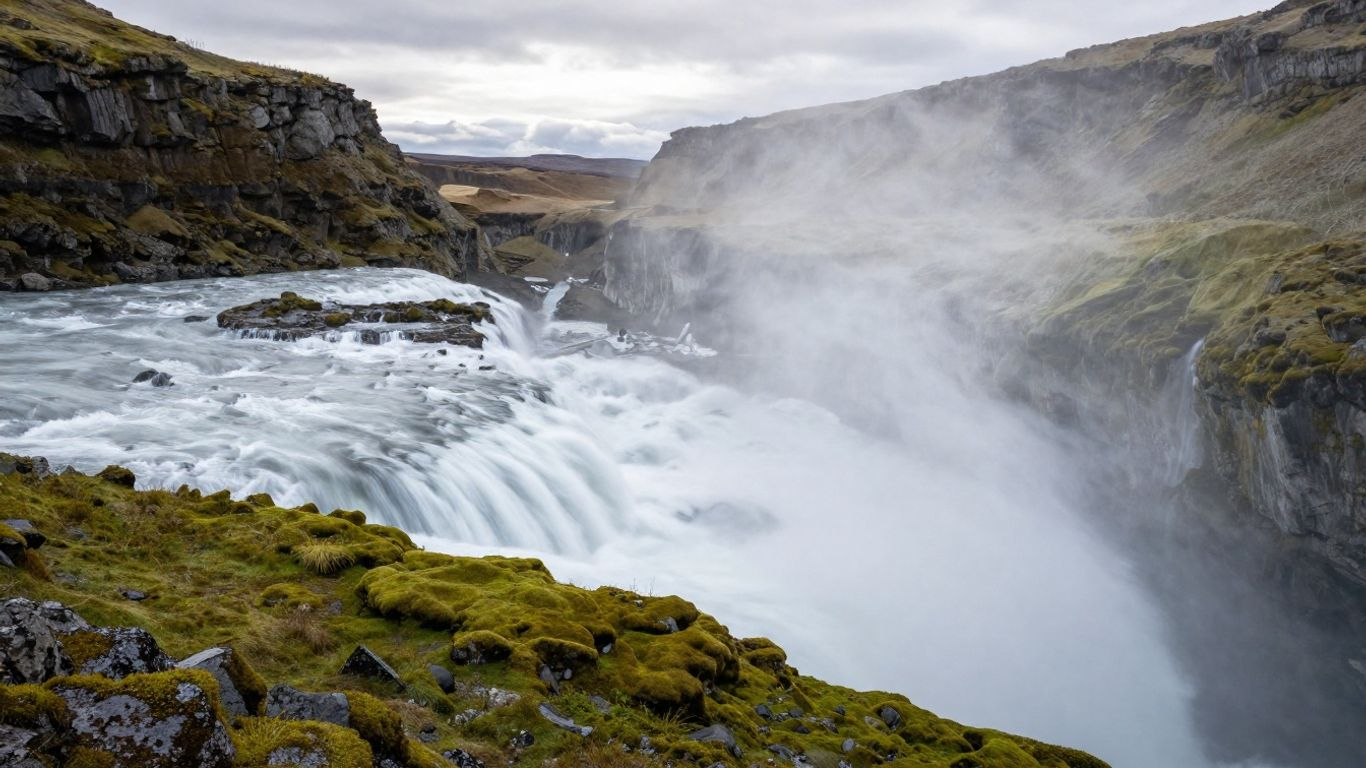
People flock to this area because it packs three massive natural wonders into a single day. These sites demonstrate the raw geological power that defines the country, and Scenic Iceland ensures you reach them with the benefit of local perspective.
Gullfoss waterfall and the power of glacial melt
The volume of water cascading into this canyon is difficult to comprehend without seeing it in person. The sheer force of the glacial runoff creates a constant mist rising from the gorge that catches the sunlight on clear days.
Geysir geothermal area and its tectonic activity
This area is a constant display of heat rising from the crust beneath your feet. Watching the Strokkur geyser burst into the air provides a direct look at the volcanic energy that sits right below the surface of the entire island.
Þingvellir National Park’s historical and geological significance
This location serves as the meeting point of the North American and Eurasian tectonic plates. It holds massive importance as the site of the ancient parliament, standing as a testament to the early settlers who organized society here long ago.
The downsides of the Golden Circle experience
Large crowds can sometimes detract from the silence of nature. Relying on Iceland’s blog for planning tips often helps you manage expectations before you arrive at these high traffic locations.
Dealing with massive tour bus congestion
Large groups often arrive simultaneously, which creates a challenge for those seeking calm environments. The sheer volume of visitors means that facilities and walking paths are often full during the middle of the day.
The inflated pricing at commercial rest stops
Many stops along the way are geared toward volume retail, which often results in higher costs for basic goods. We suggest being mindful of where you choose to spend your time because the value varies considerably between different visitor centers.
Below is a comparison of typical arrival patterns to help you plan your day effectively:
| Time of Day | Expected Crowds | Atmosphere |
|---|---|---|
| Early Morning | Minimal | Quiet |
| Peak Day | High | Busy |
| Late Evening | Moderate | Calm |
Planning your visit during off peak hours makes a notable difference in your enjoyment of these spots.
The challenge of finding moments of quiet reflection
Finding a moment of solitude requires walking further away from the main observation decks. The infrastructure is designed for ease of access, but that comes at the cost of intimacy with the landscape.
Timing your visit to avoid the crowds
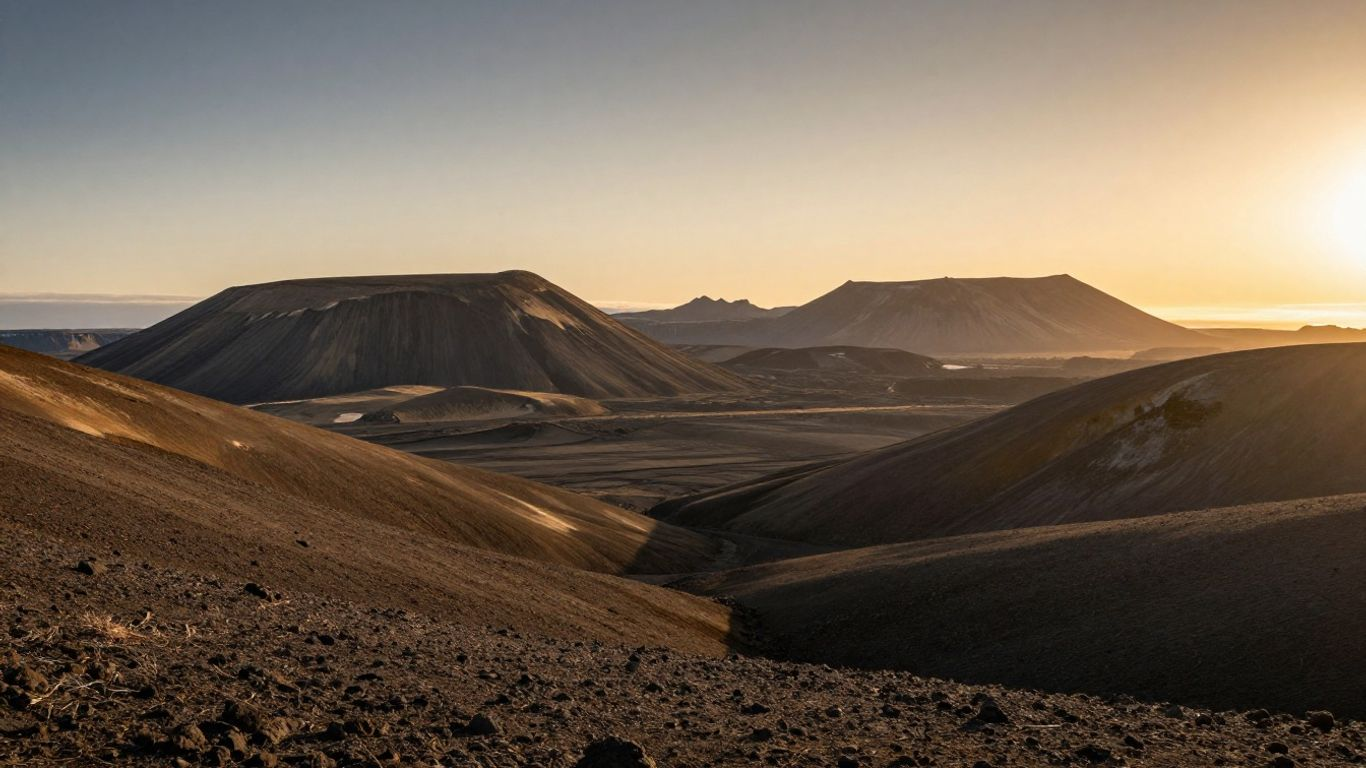
Adjusting your schedule is the single most effective way to improve your day. Scenic Iceland focuses on timing visits so that groups can appreciate the environment when others have moved on.
The hidden benefits of shoulder season travel
Visiting during the spring or autumn provides a balance of daylight and reduced visitor counts. You will find that the roads are quieter and the sites feel more grounded when you are not competing for space.
Why early mornings and late nights are your best friends
Starting your journey early avoids the mid day rush that happens when buses depart from the city. The light is often better for viewing the terrain in the early hours, providing a sharper look at the textures of the stone and moss.
Managing expectations during peak summer days
During the peak of summer, you should assume that every stop will be busy. This is the time when independent travelers seeking flexibility might consider adjusting their focus to less crowded regions of the island.
Here are a few ways to ensure a smoother experience during busy months:
- Wear durable footwear to comfortably manage longer walks away from crowds.
- Carry extra layers to stay comfortable while waiting for better photo opportunities.
- Listen to your guide regarding the best times to visit each individual site.
- Stay flexible with your itinerary to pivot if a site seems too crowded.
By following these recommendations, you can have a much more manageable trip even during the busiest parts of the year.
Who should skip the Golden Circle entirely
Sometimes the best choice for your trip is to avoid the standard route altogether. Those who prefer a deeper, slower connection to the land may find that other areas provide a more authentic reflection of what they look for when visiting the country.
Travelers seeking true off-grid Icelandic solitude
If you want to spend hours without seeing another person, this route will likely disappoint you. The nature of these sites is inherently public, which is why others flock there as well.
Budget travelers trying to avoid commercialized hotspots
Those who want to keep costs predictable should be wary of the commercial traps found at major stops. Choosing less developed regions often leads to a more controlled budget and a less cluttered travel schedule.
Those with limited time who prefer deep exploration over checking off boxes
If you have a short window, choosing one or two regions for a deep dive often yields better memories than trying to cover the entire tourist map. This helps you avoid the fatigue that comes from trying to do too much in a single day.
Better alternatives for a raw experience
There are many other regions that offer incredible scenery without the density of the Golden Circle. Our South Coast tours provide a different perspective, showcasing vast glaciers and coastlines that feel much more wild and untamed.
Exploring the diverse landscapes of the Snæfellsnes Peninsula
This area is often described as the entire island in miniature. You can find black sand beaches, dramatic jagged peaks, and sea cliffs that remain accessible without the same level of tourism pressure.
Venturing into the South Coast beyond the major landmarks
Going further east toward the glaciers reveals wide open valleys and distant waterfalls that aren’t marked on every tourist map. A local guide can help you find these secondary sites that offer true peace.
Finding hidden gems on the Reykjanes Peninsula
This area is rugged, full of steam vents and lava fields, and remains relatively quiet compared to the standard tourist hubs. It is a fantastic place for photography and geological observation if you have a bit of extra time before or after your flight.
Conclusion
Deciding if this route fits your plans comes down to your personal travel style and what you hope to gain from your time here. If you appreciate history and geological marvels that are easy to access, then it is absolutely a worthwhile inclusion, especially when handled by professionals who know how to mitigate the crowds. However, if you are strictly searching for complete isolation and untamed wilderness, looking at other regions will provide a much more rewarding experience.
Frequently Asked Questions
Is the Golden Circle accessible year round?
Yes, the route is open throughout the year, but you should prepare for shifting weather conditions that may delay travel during the winter months.
Do I need a guided tour to see these sights?
You do not strictly need a guided tour, but opting for one removes the logistical stress and provides historical context that you would otherwise miss on your own.
Can I complete the full loop in one day?
Most people finish the main attractions in eight hours, which allows for a full day trip starting and ending in the capital.
Are there opportunities for hiking on this route?
While the path focuses on observation stops, there are walking trails near Gullfoss and within the park that offer light hiking opportunities.
What should I pack for a day trip?
Layers are essential because the weather changes rapidly, and you should always bring sturdy, waterproof shoes for walking on varied terrain.
Is it worth visiting if I have already seen other waterfalls?
The scale of these sights is quite unique, even for seasoned travelers, though your interest levels depend on how much you enjoy popular natural monuments.
How does the route compare to the South Coast?
The South Coast is generally more focused on glacier valleys and coastal landscapes, while the Golden Circle is more concentrated on specific geological and historical monuments.