
Key Takeaways
Seljalandsfoss and Skógafoss are close enough to visit together, yet each offers a distinctly different experience. A guided South Coast day makes the route easier to enjoy in changing weather.
- Seljalandsfoss is known for its walk-behind viewpoint when conditions allow.
- Skógafoss has a broad, forceful drop and a staircase leading to an upper view.
- Route 1 connects the waterfalls, with several worthwhile South Coast stops nearby.
- Waterproof layers and secure footwear matter in every season.
- A local guide helps with timing, weather decisions, and safe access.
Understand what makes each waterfall different
The appeal of these two waterfalls is not simply that they are near one another. Seljalandsfoss invites you into the spray, while Skógafoss gives you a more direct encounter with a wide wall of falling water. Together, they make a strong introduction to the South Coast, especially for travelers who want scenery without spending the whole day on a demanding hike.
Seljalandsfoss and its walk-behind viewpoint
Seljalandsfoss drops from the former coastline and is best known for the path that passes behind the falling water. When the trail is open and safe, the viewpoint gives you a changing perspective across the curtain, the surrounding fields, and the sky beyond. Expect spray underfoot and in the air, even when the weather seems calm.
The walk is short, but it is not a dry stroll. A waterproof outer layer is more useful than an umbrella, and it is worth keeping phones protected until you are clear of the spray. Conditions can close the path, so follow local guidance rather than treating the viewpoint as guaranteed.
Skógafoss and its powerful vertical drop
Skógafoss has a broad, straight fall that lands with considerable force, often throwing mist across the viewing area. From below, the scale is easy to appreciate because the river seems to drop directly in front of you. On bright days, the spray may produce a rainbow, but the waterfall remains compelling in cloud and rain.
The lower viewpoint is the natural place to feel the sound and spray. A staircase beside the river climbs toward a higher outlook, offering a different angle and a wider sense of the valley. The steps add effort, but they turn a quick stop into a more complete visit.
How the surrounding landscapes compare
Seljalandsfoss sits in an open landscape where the waterfall is closely tied to the cliffs and broad coastal plain. Skógafoss feels more enclosed by the river valley, with the waterway continuing inland above the main fall. This contrast makes the short journey between them feel like a change of setting rather than a repeat stop.
The route also gives a useful glimpse of South Iceland’s changing textures: green pasture in warmer months, dark volcanic ground, distant mountains, and low cloud moving across the slopes. The weather can alter the mood within minutes, which is one reason a guide’s local judgment is valuable.
Which waterfall better fits your travel style
Choose Seljalandsfoss if you like unusual viewpoints and do not mind getting damp. Choose Skógafoss if you prefer a powerful frontal view, an upper lookout, and the option of continuing along the river. Visiting both is the better choice for most first-time visitors because neither waterfall replaces the other.
For photographers, Seljalandsfoss offers layered compositions from the path, while Skógafoss works well for scale and symmetry. For a relaxed group, the lower viewpoints at both falls are enough to make the stops worthwhile. The best choice is both when your schedule allows it.
Plan the route between Seljalandsfoss and Skógafoss
The two waterfalls lie along Iceland’s South Coast route, making them natural companions on a guided day from Reykjavík. The order can be adjusted around weather, light, and the rest of the day’s stops. Rather than focusing only on the road between them, think of the journey as a sequence of coastal viewpoints, waterfalls, beaches, and changing skies.
Driving times and distances on Route 1
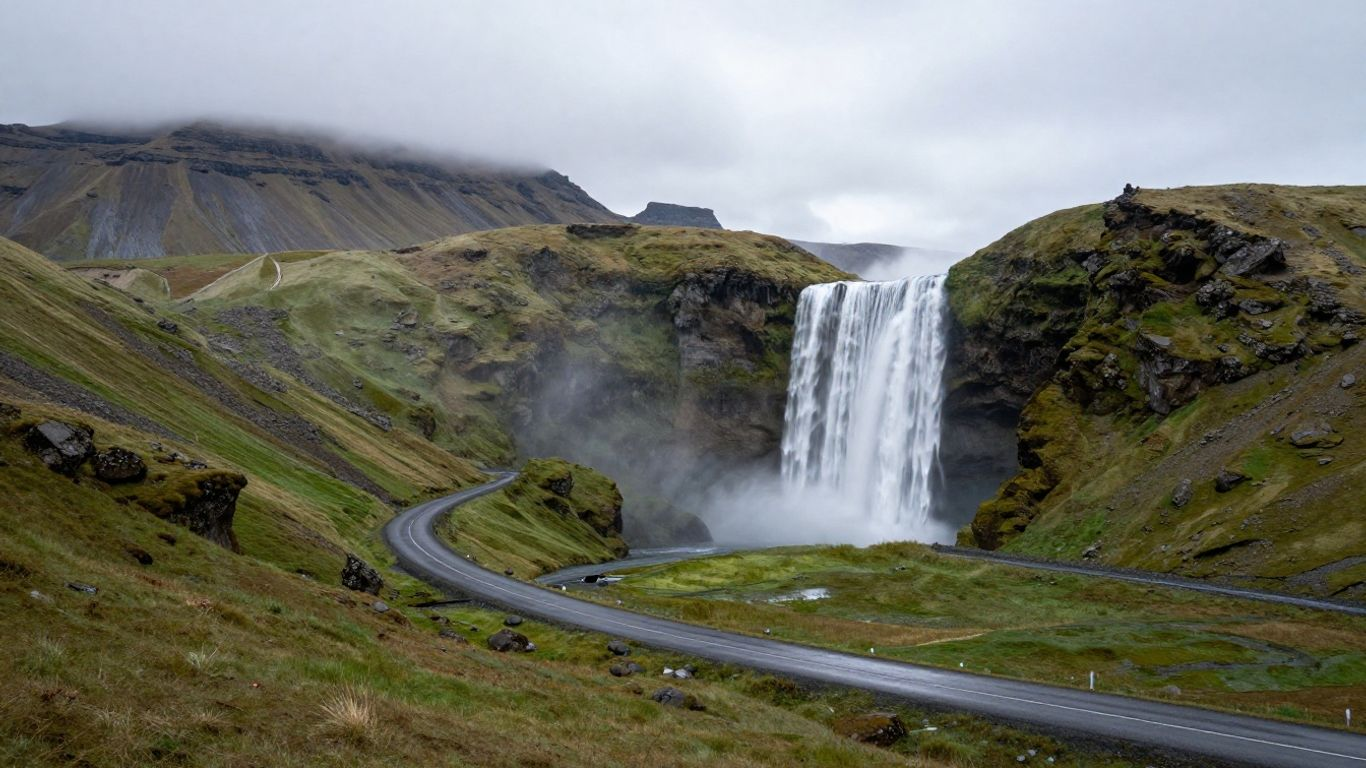
Route 1 is the main road connecting the waterfalls, and the journey between them is straightforward in normal conditions. Exact travel time can change with traffic, weather, road works, and stops, so a fixed estimate is less useful than leaving room in the schedule. On a guided tour, the driver and guide manage the transport while you can watch the landscape instead of navigating it.
That is one advantage of a small-group excursion. You can use the travel time to ask about the region, take in the view, and arrive ready for the next walk rather than concentrating on directions.
Parking changes to know about in 2026
Both stops now charge for parking, and Skógafoss changed its setup on 1 January 2026. The old roadside pull-off next to the falls is gone, replaced by a new car park about 500 metres away on a paved path. Build the extra walk into your timing, particularly if wind or rain is in the forecast. At Seljalandsfoss, the closest lot also charges a fee, while a free option sits about a 15 minute walk from the falls for anyone happy to cover the extra distance. A guide handles all of this on a group tour, but self-drivers should budget a few extra minutes and some ISK at both stops.
The best direction for a day trip
There is no single correct direction. A guide may choose the order based on the day’s forecast, daylight, road conditions, and how busy the viewpoints appear. Some itineraries begin farther east and work back toward Reykjavík, while others visit Seljalandsfoss first as part of a west-to-east South Coast day.
A flexible order can improve the experience. If wind makes the walk behind Seljalandsfoss unpleasant, the group may spend more time at Skógafoss first and return to the other fall later. The important point is to let conditions shape the plan rather than forcing a rigid sequence.
When to combine the waterfalls with nearby stops
Both waterfalls can fit naturally into a broader South Coast day. Depending on the itinerary, nearby sights may include Reynisfjara Black Sand Beach, Dyrhólaey, or the landscape around Vík. Longer journeys continue east toward Jökulsárlón Glacier Lagoon and Diamond Beach, where the character of the coast changes again.
For travelers considering more than a single day, the South Coast and Glacier Adventure combines the famous waterfalls with farther South Coast landscapes and a glacier experience. That kind of itinerary is better suited to visitors who want the waterfalls to be part of a larger regional journey rather than the only objective.
How the route changes in winter
Winter brings shorter daylight, icy surfaces, stronger winds, and a greater chance of sudden changes in access. A path that is comfortable in summer may be slippery or closed in winter, particularly near falling water. The final plan should always follow current conditions, not a summer photograph or an old itinerary.
Guided travel is especially useful in this season because local professionals can monitor the road and adjust the order of stops. Keep expectations flexible, leave time for careful walking, and accept that a shorter viewpoint visit may be the safest option.
Choose the best time to visit
There is no universally perfect month for these waterfalls. Summer offers long daylight and generally easier access, while winter can bring snow, ice, and a quieter atmosphere. Shoulder seasons can be rewarding too, provided you arrive prepared for mixed conditions and accept that the weather may decide how much of each site you can explore.
What to expect during Iceland’s summer daylight
Summer gives you generous daylight for a South Coast day and more time to linger at both waterfalls. The green fields and higher trails are often easier to appreciate, and a late return to Reykjavík can still take place in usable light. Even in summer, rain and wind are normal possibilities, so do not pack as if the season guarantees dry weather.
Long daylight also makes it easier to spread out the day. A guide can build in time for photography, a meal stop, and additional sights without making every waterfall visit feel rushed.
Winter conditions, ice, and limited daylight
Winter changes the waterfalls from rushing water and dark rock to a scene often edged with ice and snow. The visual contrast can be striking, but frozen paths demand caution. Limited daylight means that the timing of every stop matters more, and some viewpoints may not be accessible.
Do not walk beyond barriers or onto icy ground for a better photograph. The safest winter visit is one that treats closures and changes of plan as ordinary parts of traveling in Iceland.
Sunrise, sunset, and soft photography light
Low light can soften the cliffs and reduce harsh contrast in the spray. Around sunrise or sunset, the waterfalls may take on cooler or warmer tones depending on cloud cover, but conditions are never fully predictable. A tripod can be useful where permitted, though it should never block a path or viewpoint.
On a guided tour, ask the guide where the light is likely to fall and whether the path is suitable at that time. The most attractive light is not worth entering an unsafe area for.
How to avoid the busiest periods
Early starts, later seasonal light, and visits outside the middle of the day can make the viewpoints feel calmer. That does not guarantee solitude, since these are well-known South Coast sights, but it can reduce the busiest flow of visitors. A small group also makes it easier to move together without losing the personal feel of the stop.
If you are planning other Iceland routes from Reykjavík, the Golden Circle guide can help you compare a second popular day with the South Coast. Both routes reward an early start and realistic expectations about changing weather.
Know what to bring and how to prepare
Preparation here is simple, and it makes a real difference to comfort. Water, spray, mud, wind, and uneven surfaces are all part of the setting, not unusual interruptions. Pack for walking outdoors rather than for a quick photo stop beside a road.
Waterproof clothing for spray and rain
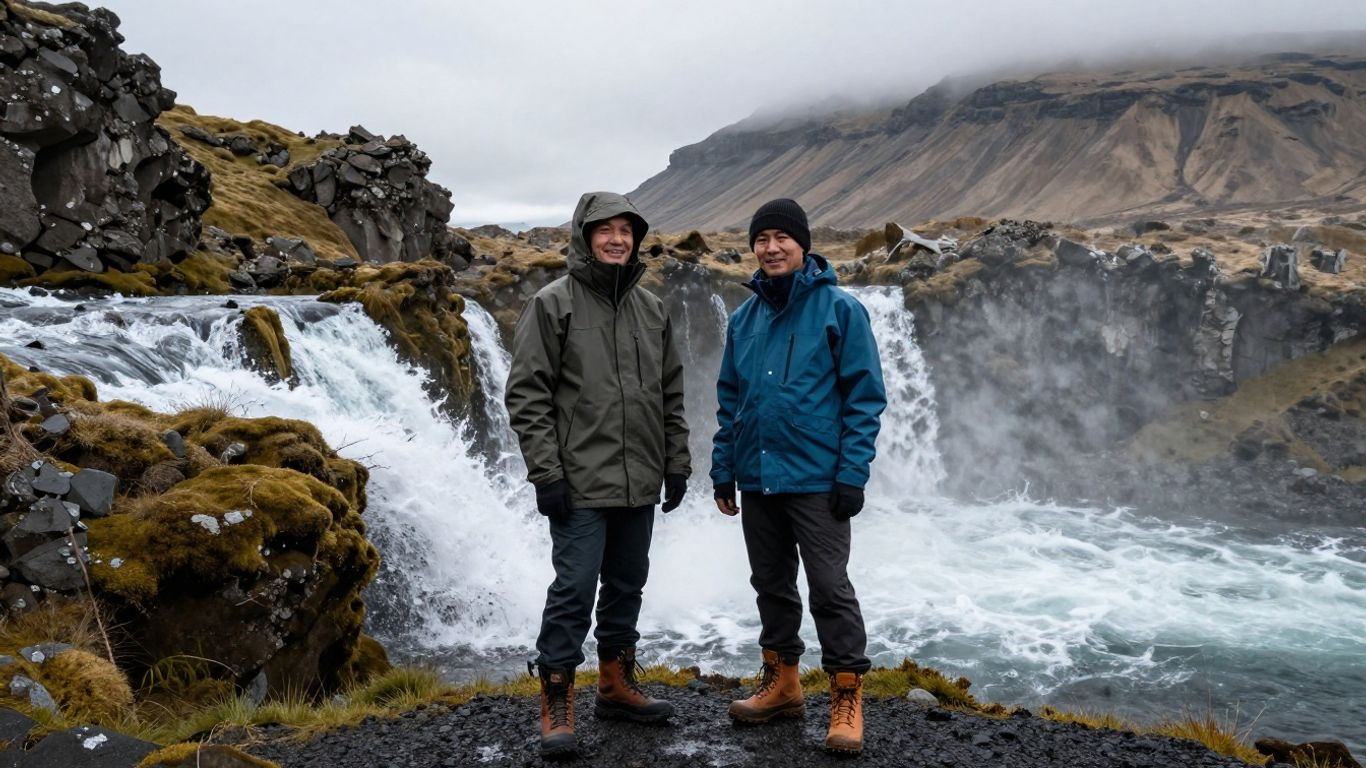
Wear a waterproof shell over warm layers, especially at Seljalandsfoss. The spray can reach farther than expected, and rain may arrive from the side in strong wind. Avoid cotton as a main layer because it stays cold when wet.
A hat and gloves can be useful even outside winter, while a small waterproof bag keeps spare layers and electronics protected. The Iceland packing list offers a broader guide to layers, footwear, and seasonal accessories.
Footwear for slippery paths and uneven ground
Sturdy shoes with a good sole are more useful than fashionable trainers. Paths can be wet, muddy, or uneven, and the staircase above Skógafoss requires secure footing. In colder months, traction aids may be useful, but only when appropriate for the current conditions and permitted by the guide.
Move slowly near the falls. A careful pace gives you more time to look around and reduces the temptation to step over barriers or onto slick rocks.
Camera and phone protection near the falls
Waterproof phone cases, dry bags, and lens cloths are practical additions. Keep the camera covered while walking through heavy spray, then uncover it briefly for the photograph. Wipe the lens often, since a single droplet can blur an otherwise clear view.
At Skógafoss, spray can reach the lower viewpoint, while Seljalandsfoss is especially demanding if you use the walk-behind path. Protecting your equipment also means protecting your attention, so do not let a shot distract you from footing or other visitors.
Parking, toilets, and basic visitor facilities
Facilities can vary by site, season, and operating conditions. Use designated areas, follow signs, and listen to the guide about where the group should gather. Toilets and refreshments should not be assumed at every stop, so handle basic needs before leaving Reykjavík or when the itinerary includes a suitable service point.
A guided tour keeps these practical details organized, but each traveler should still carry water, a small snack, and the clothing needed for the day. Leave no litter and keep paths clear for others.
Explore the viewpoints and nearby walks
The main waterfall viewpoints are easy to pair with short walks, but the landscape rewards a measured pace. Look beyond the falling water to the cliffs, river channels, and changing weather. Some nearby paths are simple extensions of the main stop, while others require more time and better conditions than a standard sightseeing visit.
The main viewpoints at Seljalandsfoss
The lower approach gives the clearest first view of Seljalandsfoss, while the path around the fall reveals different angles as you move. If the walk-behind route is open, the view changes again as the water falls between you and the landscape beyond. Expect wet ground and keep both hands available where the path is slick.
Do not measure the stop only by whether you reach the rear viewpoint. The front and side perspectives are worthwhile, and a closure is a reason to change the angle, not a reason to ignore safety.
The hidden Gljúfrabúi waterfall
Gljúfrabúi lies close to Seljalandsfoss but is partly concealed within a narrow cleft in the cliffs. Its enclosed setting gives it a different character from the open curtain of Seljalandsfoss. Reaching the best view may involve wet or uneven ground, so ask the guide about current access before attempting it.
The waterfall is a good example of why the area deserves more than a single hurried photograph. Even a view from outside the cleft can show how varied the nearby landscape is.
The staircase above Skógafoss
The staircase beside Skógafoss leads to an elevated viewpoint over the river and the land beyond. From above, the waterfall loses some of its frontal force but gains context, with the river continuing into the valley. The climb is optional, and the lower viewpoint remains the essential experience.
Take breaks on the way and allow descending visitors room. In wet or icy weather, the upper view may not be suitable, so follow the day’s instructions rather than assuming the staircase is always open.
The Waterfall Way hike toward Þórsmörk
The trail above Skógafoss follows the river through a landscape known for numerous waterfalls and steep valley scenery. It forms part of the route toward Þórsmörk, but the full journey is far beyond a quick add-on to a standard waterfall stop. A short section can be considered only when the itinerary, daylight, weather, and group ability allow it.
Do not set out expecting to complete the trail during a sightseeing visit. Ask the guide how far the group can safely go, and turn back while the route still feels comfortable rather than treating distance as the goal.
Build a practical South Iceland itinerary
A good itinerary gives the waterfalls enough time to feel present without turning every stop into a race. The right structure depends on daylight, weather, your walking pace, and whether you are visiting from Reykjavík or continuing east. Guided travel can simplify the logistics while leaving more attention for the scenery.
A half-day plan for both waterfalls
A half-day focused on Seljalandsfoss and Skógafoss can work when the schedule is built around the two main viewpoints. Allow time for the approach, photographs, changing layers, and the possibility that one path is wet or closed. The guide can set the order according to conditions and keep the group moving without rushing every moment.
This plan suits travelers who want a clear South Coast introduction. It is less suitable if you also hope to add distant beaches, glacier scenery, or a long hike.
A full-day itinerary with nearby attractions
A full day can connect the waterfalls with other South Coast sights, such as Reynisfjara, Dyrhólaey, or the area around Vík. Each additional stop adds travel and walking, so the itinerary should balance variety with time at the main viewpoints. A good day does not require collecting every attraction.
For a longer journey, Scenic Iceland offers multi-day South Coast tours that include transport, accommodation, and guiding on itineraries beyond a single day. This is a better fit when you want to continue toward glacier lagoons and ice cave or glacier experiences rather than return immediately to Reykjavík.
How to fit the waterfalls into a Reykjavík road trip
Treat the waterfalls as a guided day from Reykjavík within a wider trip, rather than trying to coordinate every South Coast detail yourself. Scenic Iceland provides guided small-group tours, and its local guides can help connect the waterfall stops with a broader route. This leaves you free to observe the landscape and adjust to the weather.
The South Coast and Glacier Adventure is one documented option for travelers who want the waterfalls included in a longer guided journey. Check the current itinerary before booking, since seasonal activities and access can affect the experience.
Safety, weather checks, and responsible visiting
Check the forecast and road conditions before departure, then listen to updates during the day. Stay on marked paths, respect barriers, and never approach the water or cliff edges for a closer photograph. Iceland’s weather can change quickly, and a responsible visit sometimes means accepting a shorter stop.
Keep voices low near other groups, take all rubbish with you, and avoid blocking narrow paths. A local guide can explain the day’s risks, but each visitor remains responsible for following instructions and using sound judgment.
Conclusion
A visit to Seljalandsfoss and Skógafoss works best when you allow each waterfall to offer its own experience: a wet, changing viewpoint at one and a powerful open drop at the other. With suitable layers, sensible footwear, flexible timing, and a guided route from Reykjavík, these South Coast landmarks can become a calm and memorable part of a wider Iceland journey.
Frequently Asked Questions
Can you visit Seljalandsfoss and Skógafoss on the same day?
Yes. Their location along the South Coast makes them natural stops on the same guided day, although the available time and order depend on weather, daylight, and the rest of the itinerary.
Which waterfall is better, Seljalandsfoss or Skógafoss?
Neither is simply better. Seljalandsfoss suits travelers who want a walk-behind viewpoint when open, while Skógafoss offers a broad frontal view and a staircase to a higher outlook.
Do you get wet at Seljalandsfoss?
You can get wet from spray and rain, particularly on the path behind the waterfall. Wear a waterproof outer layer and protect cameras and phones.
Is the path behind Seljalandsfoss always open?
No. Access can change with ice, wind, water, or other safety conditions. Follow signs and local guidance rather than assuming the route is available.
Is the staircase above Skógafoss difficult?
It requires steady uphill walking and can be slippery in wet or icy weather. The lower viewpoint is still worthwhile if you prefer not to climb or if conditions are unsuitable.
What should you wear to the waterfalls?
Wear waterproof outer clothing, warm layers, and sturdy footwear with good grip. Bring protection for electronics and expect conditions to be wetter and windier than they first appear.
Can you hike from Skógafoss toward Þórsmörk?
The Waterfall Way follows the river toward the Þórsmörk area, but it is a substantial hiking route rather than a quick extension. Attempt only an appropriate section with enough time, suitable conditions, and proper preparation.