
Key Takeaways
The Golden Circle is the classic day trip from Reykjavik, and a little planning goes a long way. Here is what actually matters before you set out.
- The route links three major geological sites, all doable in one day.
- A guided tour takes driving and navigation off your plate when the weather turns.
- Dress in layers. Conditions can flip several times in one afternoon.
- The food stops along the road are worth planning for, not just the landmarks.
- With good timing you can fit in extra stops like Kerid crater and a hot spring soak.
Planning your Golden Circle journey
A Golden Circle day trip from Reykjavik covers the three main sites in a single loop. Most travelers set out early in the morning to maximize daylight before the evening arrival back in the city. A local guide handles the route and fills in the history as you go.
When to leave Reykjavik for the best experience
Leaving before eight is a common move to beat the crowds at the first stop. In winter the shorter daylight hours make an early start a matter of safety, not just crowds. On a guided Golden Circle tour the timing is handled for you, with hotel pickup between 8:30 and 9:30 and a schedule adjusted to the weather that day.
Choosing between self-drive and guided tours
Planning logistics such as parking and road navigation can take significant time away from enjoying the scenery. A Small-group excursion with a local guide, capped at 19 guests, handles the transport so you can watch the scenery instead of the road. Here is how the two options compare.
| Feature | Professional Guided Tour | Independent Planning |
|---|---|---|
| Navigation | Local expert handles route | Guest navigates logistics |
| Knowledge | History shared on-board | Self-guided research needed |
| Equipment | Weather calls made for you | Guest checks own gear |
| Parking | Seamless access provided | Parking fees and searching |
A group tour takes the stress out of driving when a storm front rolls through.
Essential gear and clothing for unpredictable weather
Weather in the southwest region changes within minutes, meaning layers are necessary throughout the day. A proper Packing list helps visitors stay comfortable while walking outside at the various stops. Pack these items for your excursion:
- Waterproof outer shell jacket
- Sturdy insulated hiking boots
- Moisture-wicking base layers
- Thin hat and gloves for wind
Pack right and the walks between rift valley and waterfall stay comfortable instead of cold and wet.
The three main stops of the route
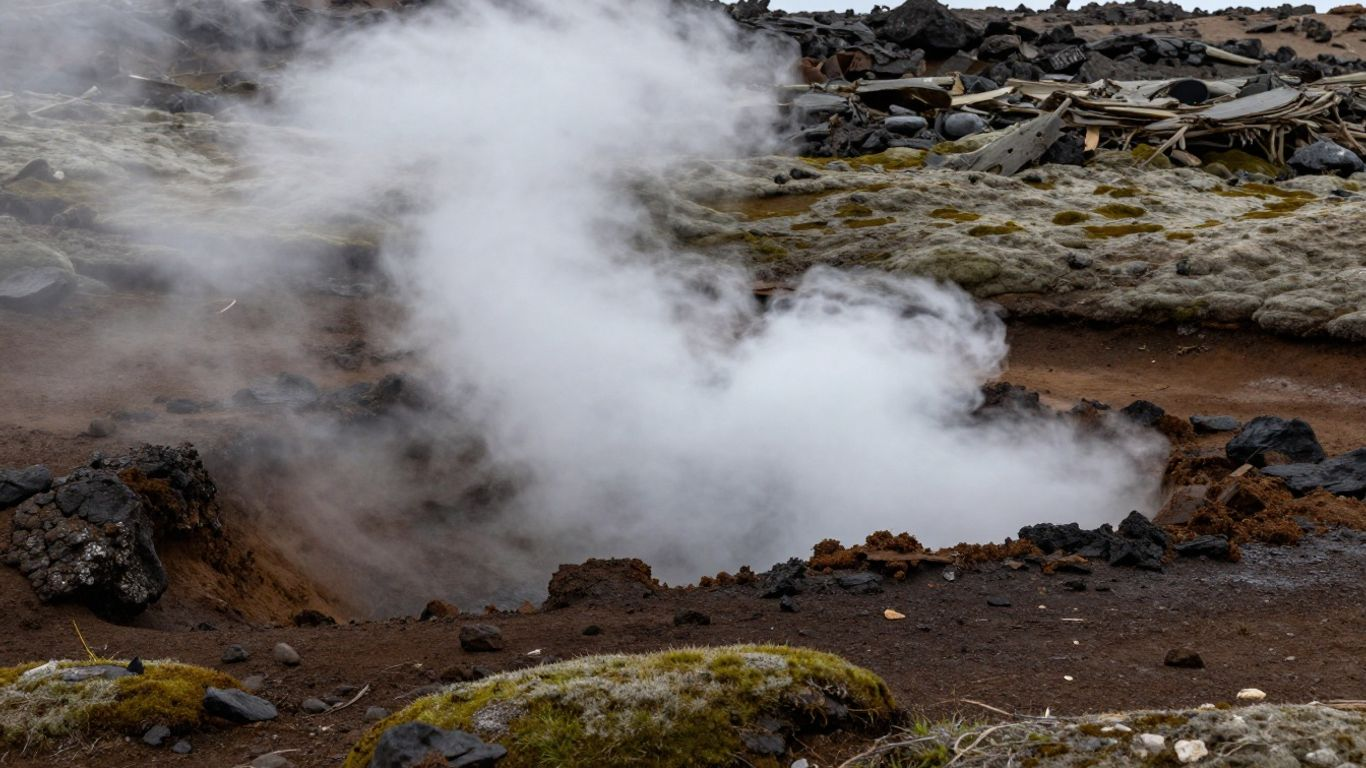
The loop consists of three distinct landmarks that define the volcanic and geological character of this part of the country. These locations are the primary reason travelers visit this region.
Thingvellir National Park tectonic history
This is where the North American and Eurasian tectonic plates drift apart. Walking through the rift valley puts the scale of it right in front of you. Iceland’s parliament, the Althingi, first met here in the year 930, making this the site of one of the world’s oldest parliaments.
Watching Geysir erupt at the geothermal field
The Haukadalur valley is dotted with active springs venting steam and water. Strokkur is the reliable one, firing water into the air every few minutes. Visitors wait along the designated pathways to watch the water pressure build and release.
Standing before the powerful Gullfoss waterfall
The river Hvítá thunders down in two stages into a deep canyon. From the observation deck you can feel the sheer volume of glacial meltwater hitting the rock. When the sun is out, the spray throws rainbows across the canyon.
Lesser-known gems worth adding to your itinerary
A few smaller stops sit right along the route and cost you little extra time.
Kerid Crater’s vibrant volcanic lake
Kerid holds a still, strikingly blue lake at the bottom of a volcanic caldera. Unlike most craters, the slopes are red volcanic rock, which makes the blue water pop. Walking around the rim provides wide views of the surroundings.
The historic Skalholt Cathedral
Skálholt served for centuries as one of the two episcopal seats in Iceland. The current church structure sits on a site that has been critical for religious and historical developments in the region. It is a quiet stop that allows for a different pace than the louder geothermal areas.
Soaking in natural hot springs at Secret Lagoon
Secret Lagoon in Fludir is one of the oldest swimming spots in Iceland, fed by natural hot spring water. Self-drivers often end the loop with a soak here before the drive back. The Scenic Guided day trip winds down with a stop at Laugarvatn Lake instead.
Best local food stops along the route
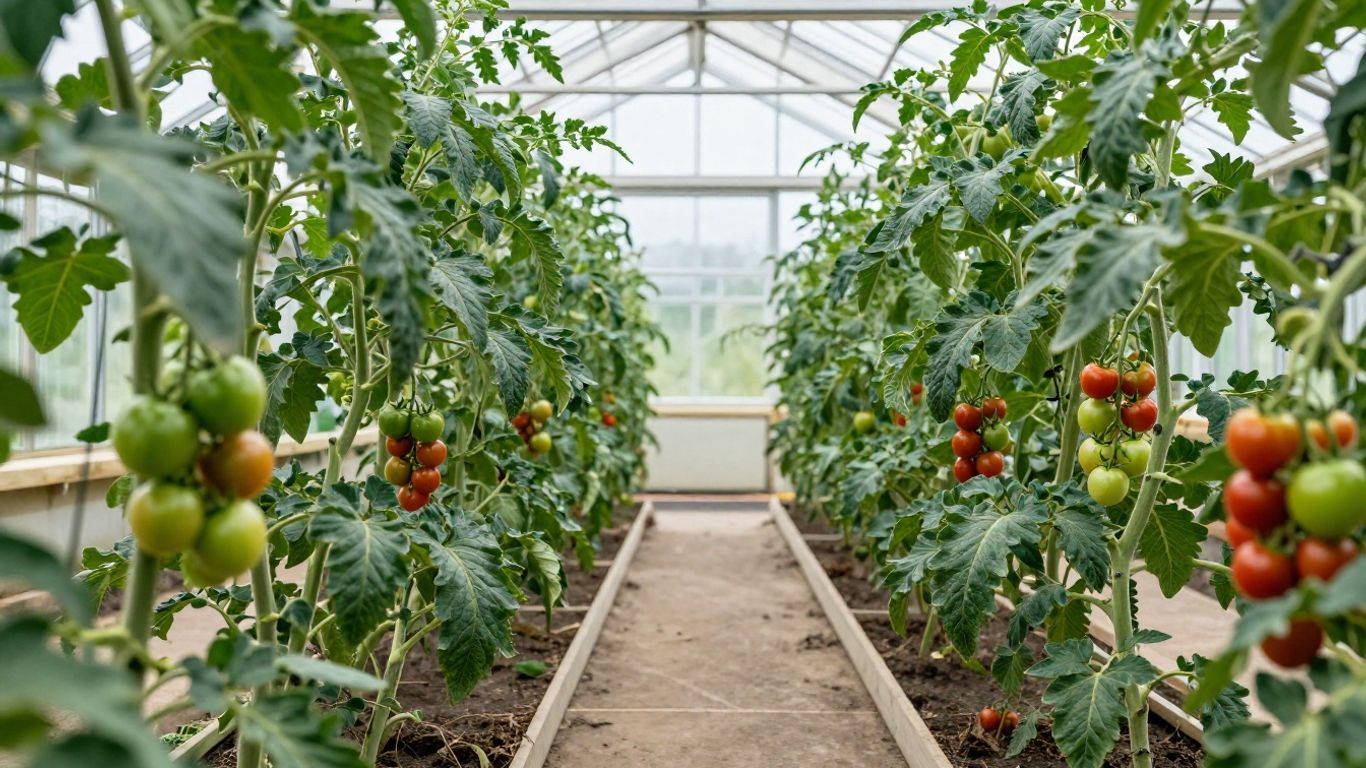
Good food makes a long day better, and this route has real options: geothermal greenhouses, dairy farms, and proper soup.
Fresh tomato soup and bread at Fridheimar
The greenhouses at Fridheimar use geothermal energy to grow tomatoes all year. The tomato soup with crusty bread is the signature meal, and in winter the warmth inside is half the point.
Traditional Icelandic ice cream at local dairy farms
Small farms along the road produce their own dairy products including ice cream. Some have the cows grazing in the next field, so you know exactly where the milk comes from. It makes an easy break between the big stops.
Authentic Icelandic meat soup options for lunch
Many restaurants near the major stops serve a traditional meat soup made with lamb and root vegetables. It is a dense and warming meal that is common in Icelandic households. Most cafes serve it with bread and butter, and it does the job on a cold day.
Making the most of your time
A full day out here comes down to timing. Beat the bus waves, watch the weather, and give each stop enough room.
How to avoid the peak tour bus crowds
Most buses arrive at these locations at similar times, creating busy periods mid-day. An early departure or a late afternoon visit often results in seeing the sites with fewer people. Ask your tour operator about departure timing if you want to dodge the biggest waves.
Understanding Icelandic road conditions and driving etiquette
Roads in this region include both major asphalt surfaces and gravel shoulders. Watch the wind forecast and expect ice patches outside summer. Keep your distance and signal early, plenty of drivers on this road are visitors too.
Managing your time efficiently at each major location
Most sites have clearly marked walking paths that lead to the best views. Budget forty-five minutes to an hour per major stop for walking and photos. Remaining on the marked walkways saves time and prevents damage to the sensitive moss vegetation found near the tracks.
Tips for photography and comfort
Wind and spray are the enemies of a clean shot here. Protect your gear.
Capturing the perfect landscape shot at Gullfoss
The spray from this waterfall can settle on lenses quickly. Bring a cloth and wipe the glass between shots. Shooting from the upper viewpoints avoids the heaviest direct mist while still capturing the power of the water.
Staying warm while observing geothermal activity
Steam vents generate heat, but the surrounding area is often cold and windy. Standing near the geothermal areas feels warm for a moment, but walking between them leaves one exposed to the elements. Thermal layers are more effective than a single bulky coat for staying comfortable.
Using polarizers for vibrant volcanic colors
A circular polarizer tames reflections on wet rock and deepens the sky. This accessory is particularly useful when shooting in bright, overcast conditions.
Conclusion
The Golden Circle earns its reputation. Three headline stops, a handful of quieter gems, and some of the best food in the southwest, all within a day of Reykjavik. Travel with a local team and the logistics take care of themselves, leaving you free to enjoy the view.
Frequently Asked Questions
How long does the loop take to complete?
Plan on 8 to 9 hours for the full loop, depending on pace and how many stops you add.
Can you see all major sites in one day?
Yes, the three main stops are close enough to be visited safely within a single day if moving efficiently.
Is the route open during the winter?
Yes, the roads are kept clear year-round, though wind can cause temporary closures in severe conditions.
Are there facilities available on the route?
Each of the main sites has restrooms, information centers, and small cafes for visitors.
Is advance booking required for tours?
Booking ahead is smart in high season. Scenic offers free cancellation up to 24 hours before the tour starts.
Are the paths at the sites accessible?
Most central walkways around the geysers and waterfalls are maintained and accessible for walking.
What happens if the weather gets bad while on a tour?
Professional guides prioritize safety and have the experience to adjust the itinerary based on current conditions.