
Key Takeaways
These points summarize how to approach a night searching for the northern lights in Iceland.
- Super jeeps navigate variable terrain to reach clear skies away from light pollution.
- Local guides monitor atmospheric conditions constantly to adjust routes in real time.
- Proper layering clothing is essential for standing outside in low temperatures for several hours.
- Choosing a guided small-group tour simplifies logistics and ensures access to remote locations.
- Professional operators prioritize safety protocols and offer flexible rescheduling if conditions are poor.
Why choose a super jeep for your aurora hunt
Booking a guided outing is the most practical way to track the aurora in Iceland. Unlike attempting to drive independently, a local guide carries the responsibility of interpreting shifting weather patterns. Utilizing a specialized vehicle ensures you reach dark locations where visibility is highest.
Accessing remote wilderness locations
Large buses have strict limits on where they can travel, often restricted to main roads. A super jeep allows your guide to bypass these constraints and head into the dark countryside far beyond the main routes. This mobility increases your chances of finding clear patches in the sky, as the vehicle can reach isolated viewing spots that remain inaccessible to standard transport options, much like those described in Icelandic travel stories.
Superior maneuverability in deep snow
Icelandic winters present varied road conditions that require specialized equipment to navigate safely. The modifications on these vehicles are specifically designed for harsh environments.
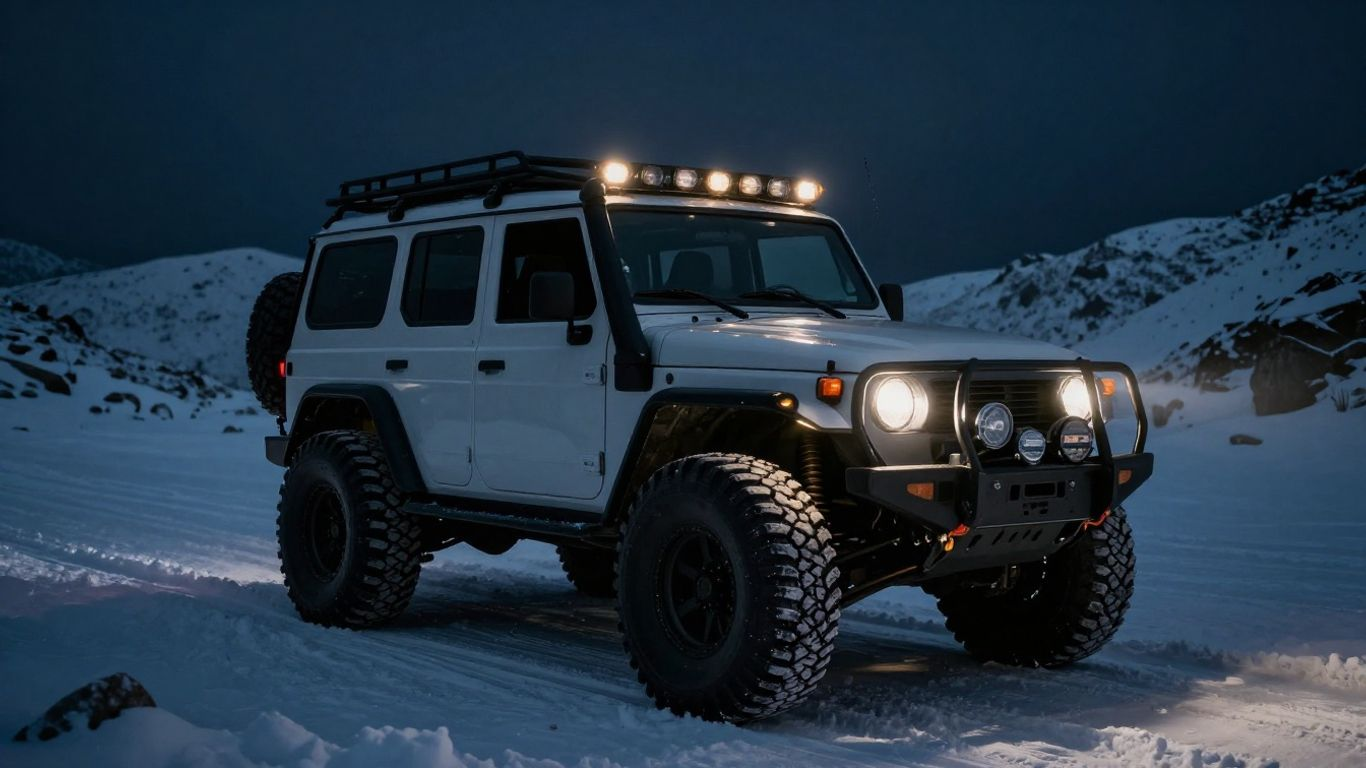
- Massive tires provide stable grip on ice and deep snow.
- High suspension systems prevent damage from rocks or terrain obstacles.
- Enhanced transmissions allow for steady control on steep mountain tracks.
- Strong chassis designs protect occupants from sudden impacts.
These features ensure your Super Jeep tour can traverse difficult ground effectively, keeping you on schedule and safe while other vehicles remain stranded or stuck on main roads.
Smaller group sizes for a personalized experience
Traveling with a smaller group changes the rhythm of your evening. It allows for more interaction with your driver and provides a more focused environment for photography. A smaller cohort means fewer people vying for space at the best spots, ensuring everyone has room to stand and watch the sky. This style of travel, offered by Scenic Iceland, emphasizes local expert guidance over mass assembly.
Decoding the Icelandic aurora forecast
Successful sightings rely on understanding how data translates into visual reality. Monitoring the environment requires a mix of technical forecasting and real-world observation. Weather moves quickly here, and your guide works to interpret these shifts continuously.
Reading KP index and magnetic activity
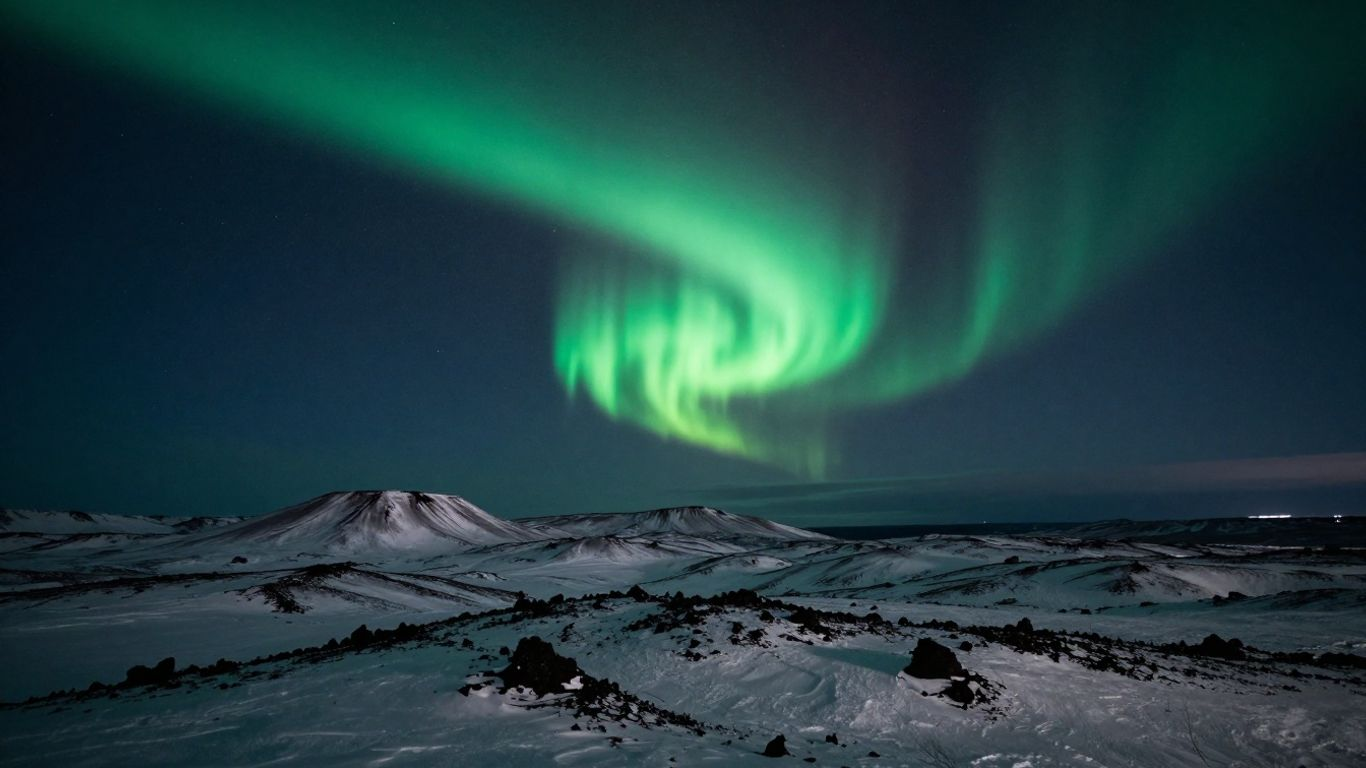
The KP index measures geomagnetic activity, acting as a general scale for potential intensity. While a higher number implies greater activity, it does not guarantee a visual display. Factors like local magnetic fields and human perception of light intensities play significant roles in whether the aurora manifests clearly to the eye.
Monitoring cloud cover for optimal visibility
Cloud cover is the primary obstacle during any aurora hunt. Guides rely on radar maps that show moisture density and wind direction at various altitudes. Finding a clear window requires anticipating how clouds will drift and shift over the coming hours across different regions of the country.
Why local expertise outperforms generic weather apps
Generic weather applications often provide broad data for cities without accounting for microclimates in the highlands. A local expert guide understands how mountain formations influence air currents and local visibility. They track subtle changes that automated apps miss, adjusting the route to stay ahead of the weather.
Gear essentials for a night in the cold
Standing stationary outside waiting for movement in the sky requires significant preparation. Proper gear ensures you remain comfortable until the lights appear. Because the environment is unpredictable, preparation matters more than the specific visual display.
Layering strategies for extreme Arctic wind
Wind chill can make winter temperatures feel far lower than the thermometer suggests. A system of three layers is standard: a moisture-wicking base layer, an insulating mid-layer, and a protective outer layer that resists wind and water. This approach maintains core body heat while allowing you to shed or add components as intensity dictates.
Protecting your camera equipment from freezing temperatures
Cameras require careful handling to function during prolonged exposure to cold. Batteries drain faster in low temperatures, so keeping them inside your coat until needed is a standard procedure. The following table highlights common gear challenges and solutions.
| Item | Challenge | Solution |
|---|---|---|
| Camera Battery | Rapid discharge | Keep in warm pocket |
| Tripod | Unstable on ice | Use spikes for stability |
| Camera Lens | Internal condensation | Place in plastic bag inside warm space |
Taking these precautions ensures you can focus on the sky rather than struggling with equipment failure.
Keeping snacks and hydration accessible in low temperatures
Energy conservation is vital during a long night outdoors. Warm drinks provide comfort, while simple high-energy snacks help maintain internal warmth. Experienced guides often bring thermos supplies to share during the watch period.
Coordinating your tour logistics
Planning your outing involves selecting the right timeframe and understanding how your trip is managed from start to finish. Scheduling the hunt early in your stay maximizes your opportunities for success.
Picking the right night based on weather windows
Some evenings are better suited for hunting than others, depending on atmospheric stability. Booking your Northern Lights tour for the first night or two allows for flexibility if the cloud cover prevents a sighting. Always check your confirmation details for timing and pickup zones.
Navigating pickup points in Reykjavik city center
Pickup zones in the urban center are specifically marked to coordinate group movement. Respecting the assigned time is critical, as drivers often coordinate with multiple locations. It is efficient to wait near the designated zone to ensure you do not miss the departure.
Understanding refund and reschedule policies for cancellations
Guided tours are subject to nature, meaning weather can force a cancellation despite the best forecasting. Policies vary, but common practice includes offering a rescheduled date or a refund if the event cannot proceed. Scenic Iceland backs its tours with a Northern Lights Guarantee: if you do not see the lights, you can rebook for free until you do. Understanding these terms ahead of time helps manage expectations regarding a super jeep northern lights tour iceland experience through providers like Scenic Iceland.
Inside the super jeep experience
These vehicles function as a mobile base camp during your hunt. The experience focuses on comfort and tactical ability in challenging spaces. You are not just a passenger, but a participant in a search for a natural phenomenon.
What makes a custom super jeep vehicle unique
Customizations go beyond tire size. These jeeps include specialized heating systems, high-range radio communication to ensure links remain stable, and cabin comforts like heavy blankets for stationary observation. They are designed to operate for hours in subzero conditions.
Navigating secondary mountain tracks safely
Off-road travel requires knowledge of terrain that does not feature on standard maps. Drivers must interpret track integrity after heavy snowfall or rapid thawing. This focus on safe travel distinguishes the guided experience from any other way of viewing the landscape.
The role of your driver in spotting the aurora
Your driver serves as a navigator and scout. They maintain communication with other vehicles and weather stations, analyzing the horizon for early signs of green or violet motion. Their expertise translates raw radar data into a plan of action.
Safety standards on the nightly hunt
Staying safe in the wilderness requires specific routines. Protocols ensure everyone remains secure regardless of how far the group travels from the reach of city services.
Preparing for rapid changes in Icelandic weather
Safety is maintained through constant monitoring. Guides utilize multiple radar sources to anticipate storms or high winds. If conditions decline, the group departs the area to find safety, ensuring the transition back to the urban area is controlled.
Communication protocols in deep wilderness
When out of cellular range, guides use long-range radio systems to communicate with dispatch or other active tour units. These protocols ensure the group can request assistance or clarify updates on visibility instantly, maintaining a constant safety link.
Ensuring professional certification for your tour operator
Operating in deep snow and mountain conditions requires professional certification. Reliable providers maintain their vehicles to strict mechanical standards and employ drivers trained in winter recovery and emergency rescue procedures. Before you book, ask how the operator maintains its vehicles and trains its drivers. Winter recovery skills should be standard, not an extra.
Conclusion
Booking a professional outing for your aurora hunt removes the burden of logistics and allows you to enjoy the night safely. By relying on experienced guides and custom equipment, you gain access to the best regions of the country while staying mobile enough to chase clear skies. This approach creates a more comfortable and productive experience than trying to manage the search independently, providing a reliable way to see the northern lights during your time in Iceland.
Frequently Asked Questions
Should I book my aurora tour for my first night?
Booking for your first night is recommended as it provides the largest window for rescheduling if the weather prevents a tour or makes viewing conditions impossible.
How cold does it get during a winter night hunt?
Temperatures often drop below freezing, with significant wind chill factor, making it necessary to wear extreme cold-weather gear to stay warm while waiting outside.
Do I need a professional camera to see the aurora?
The aurora is often visible to the naked eye, though a camera captures colors and intensity that are fainter in person. Basic smartphone cameras can often capture the lights if used with a short tripod.
What happens if the weather is too bad to drive?
Professional operators cancel the tour if conditions are unsafe. You will generally be offered a refund or the chance to rebook for a later date.
Why are groups limited in size?
Small groups ensure that the vehicle remains agile and that all passengers receive individual attention from the guide while preserving space for viewing and photography at dark locations.
Are the lights visible year-round?
The aurora borealis requires darkness, making it visible from late August through mid April, when the nights are dark enough for the lights to be seen.
Does the tour guarantee a sighting?
No tour can guarantee an aurora sighting as the phenomenon is dependent on solar activity and cloud conditions, which are beyond human control.