
Key Takeaways
A visit to a blue ice cave in Iceland is an adventure that requires careful planning, specifically targeting the winter window between October and April. Using a local, guided tour is the primary way to access these locations safely and reliably.
- Visit during the coldest months to ensure the ice remains stable for entry.
- Always book with a certified local guide who can adjust plans based on real-time weather reports.
- Bring layers of warm clothing and waterproof gear to handle rapid temperature drops.
- Choose small-group tours to gain more direct access to the ice formations without competition for space.
- Pack your camera with extra batteries as cold air drains power significantly faster than room temperature.
Best time of year to visit a blue ice cave
When the glacier stabilizes for winter access
The opportunity to enter a blue ice cave in Iceland is restricted to the winter months, typically starting in October and ending in April. During this period, the glacial streams that carve the tunnels subside, and the lower temperatures ensure the structure of the ice remains rigid enough for safe transit. When you book a guided ice cave tour in this timeframe, you are relying on glacial conditions that exist only once the summer melt finishes, creating distinct, temporary corridors of frozen water.
Avoiding peak crowds during the mid-winter season
Although the winter months are the only safe time for these excursions, the middle of the season often brings increased visitor numbers to the areas surrounding Vatnajökull. Opting for a shoulder month like November or March can provide a quieter environment for your tour, allowing for a slower pace. The Scenic Iceland Experience emphasizes small-group outings, which are well-suited for avoiding the congestion often found in larger, crowded operations.
Weather patterns and mandatory safety closures
Icelandic weather is famously volatile and can shift rapidly within a single afternoon. If high winds or significant warm spells occur, glacial access is automatically suspended to prevent exposure to shifting ice or unstable ceilings. Oversight has tightened since a fatal ice collapse near Breiðamerkurjökull in August 2024, and licensed operators now run natural ice cave visits only during the stable winter season. A professional glacier hike guide operates with a safety-first mindset, meaning trip cancellations for severe weather are part of the process, not an inconvenience.
How to choose the right ice cave tour
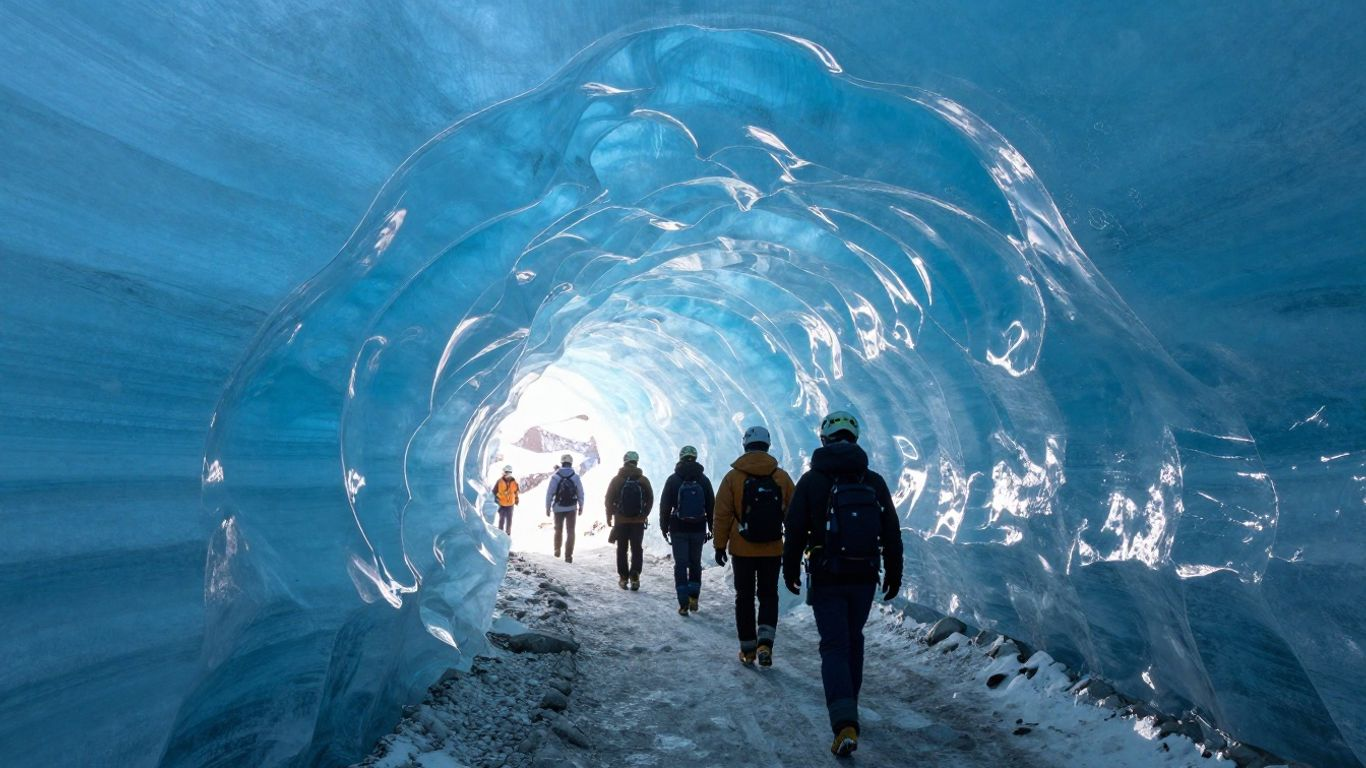
Distinguishing between natural caves and man-made structures
Natural glacier caves are dynamic formations that change every season as the ice shifts and flows. In contrast, man-made structures are often static displays that lack the authentic texture of a shifting glacier. We recommend focusing on active glacial exploration that targets naturally occurring caves, as these offer a more realistic and grounded connection to the environment.
Why group size and tour duration matter for accessibility
When choosing a provider, the group size significantly affects the quality of your experience. A locally-operated tour typically keeps numbers low to ensure that the guide has time to answer questions and navigate the terrain safely. The duration of the trip also matters, as a longer outing allows for more time at the site, which is essential if you plan on capturing the details of the blue ice walls.
Essential gear for your glacier trip
Strategic layering for unpredictable arctic conditions
The climate near the glacier base changes from wet and windy to cold and still in a matter of minutes. To survive comfortably, you must dress in thin, effective layers. We suggest packing the following gear in your backpack:
- Moisture-wicking base layers to keep your skin dry.
- An insulating mid-layer like fleece or wool.
- A high-quality waterproof and windproof outer shell.
- Waterproof hiking trousers to prevent cold exposure.
Following these suggestions will help you stay warm even when the humidity rises near the ice.
Why specialized footwear is non-negotiable on ice
Standard walking shoes are dangerous in a glacial environment and are strictly discouraged. Sturdy boots with ankle support are the gold standard for stability on slippery ice, especially when wearing crampons. If your footwear does not have a stiff sole, the metal frames of your crampons will cause unnecessary fatigue and discomfort during the walk.
Protecting camera equipment from high humidity and cold
The high humidity inside the cave is a risk to electronics, and the cold causes batteries to drain quickly. Keep your gear inside your outer waterproof layer until you are ready to shoot. If you are interested in capturing these scenes properly, consider a Northern Lights photo tour or similar expert-led excursion where photographers can provide specific advice on maintaining equipment in extreme moisture.
Safety protocols for entering the glacier
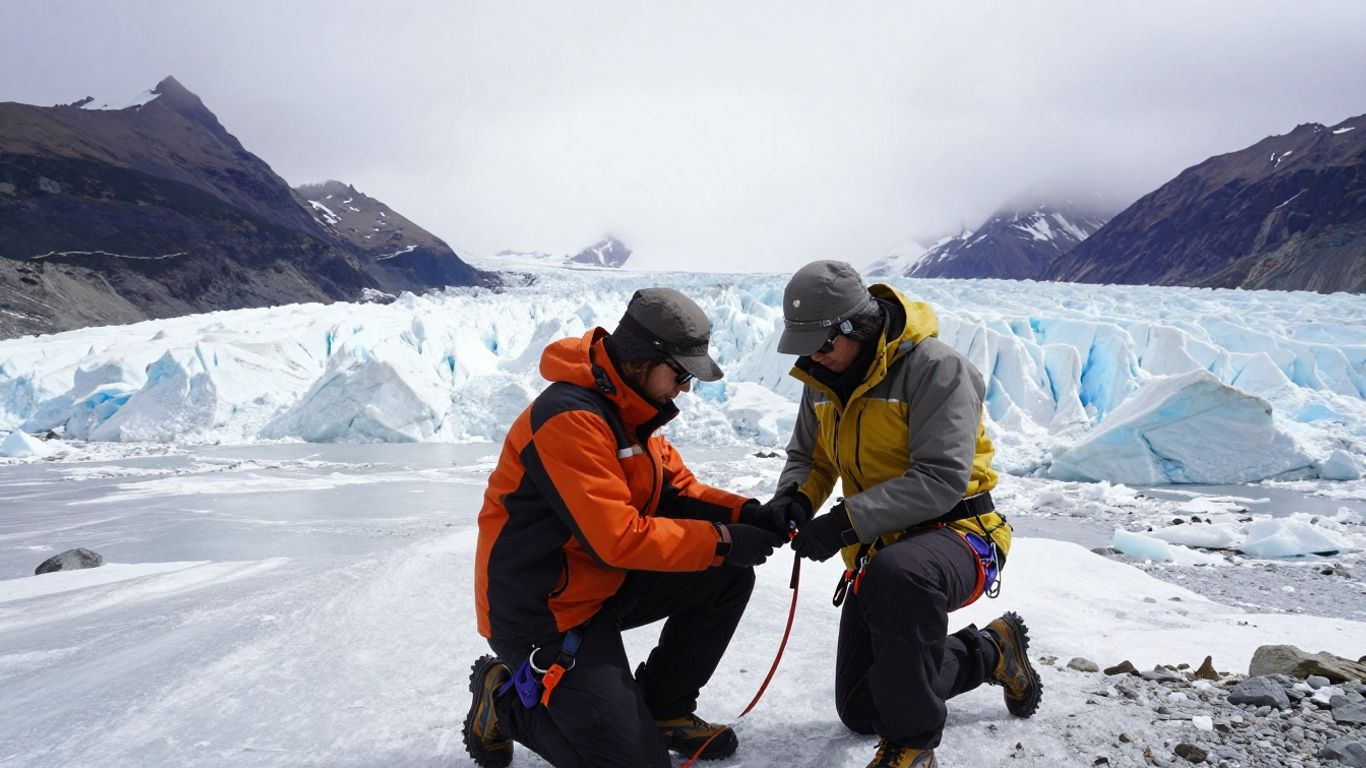
Trusting your certified glacier guide
Safety on the ice depends on the expertise of the person leading the group. A trained guide identifies hazards that are invisible to a casual visitor, such as thin ice bridges or deep moulins. Relying on expert-led glacial hikes ensures that you are following protocols set by professionals who have local knowledge of the current season’s ice behavior.
Recognizing potential rockfall and melt risks
Glaciers are not static, and the walls within a cave are constantly settling. If you hear cracking or spot dripping meltwater, keep your distance from the walls. Professional guides monitor the structural integrity of the cave continuously, and you should always stay within the cordoned or indicated safe zones they establish.
What to do during sudden weather changes
If the weather degrades during the tour, your guide will have a designated exit strategy. Trust their decision to turn back or change the route if the situation becomes unsafe. Trying to manage your own transition to a vehicle or road while navigating glacier conditions is dangerous; staying with the group is the best way to ensure everyone returns from the excursion without complication.
Tips for photography in blue ice caves
Managing light reflection on dense, blue glacial walls
The dense bubbles in the ice absorb most of the visible light, reflecting back only the deep blue wavelengths. To get the best results, avoid using a flash, as it washes out the colors and flattens the texture of the ice. Rely on the natural diffuse light filtering through the glacier entrance instead.
Choosing the best lens for tight and low-light spaces
A wide-angle lens is effective here because you are often working in narrow tunnels with little space to step back. Additionally, a lens with a low aperture setting helps pull in natural light in these dark environments. If you need inspiration for your travel plans, watching a few local exploration videos may help you visualize the environment you are about to capture.
Tips for stabilizing cameras on uneven, slippery terrain
Stability is a challenge when you are standing on uneven or slightly tilted ice. Instead of carrying a full tripod, which is difficult to set up, consider a monopod or a clamp that can attach to existing structures. If you must use a tripod, ensure the feet are positioned securely to avoid slipping during long-exposure shots.
What to combine with your cave excursion
Exploring Jökulsárlón glacier lagoon nearby
Most cave tours originate from the Jökulsárlón glacier lagoon, so it is a natural first stop for your day. Viewing the icebergs that drift from the glacier tongue into the deep lagoon provides a valuable introduction to the same ice you will eventually enter. Many visitors find that booking a 2-day adventure along the coast is an efficient way to cover these sites without rushing.
Visiting the black sand beaches of the south coast
The coast near the glacier is characterized by its dramatic dark volcanic sands. Walking along these beaches after visiting the ice provides a striking contrast in color and texture that defines the Icelandic landscape. It is common to include this as part of a South Coast tour to fully appreciate how the volcanic terrain feeds into the glacial regions.
Planning a full-day glacier hike alongside an ice cave trip
Since you are already in the area with the necessary equipment, consider scheduling a full day on the glacier. A comprehensive guide to the region allows for a transition from the narrow tunnels of the cave to the vast, open surface of the ice sheet. Taking the time to explore this deeper ensures you gain a full understanding of the geological forces at work.
Conclusion
Visiting a blue ice cave in Iceland is an activity that requires patience and a reliance on local expertise to navigate the seasonal, shifting nature of the glacier. By booking a guided tour during the winter months, you prioritize safety and gain access to areas that remain inaccessible to unassisted visitors. Whether you are photographing the ice or simply walking through a natural glacier corridor, the experience is best suited for those who appreciate the quiet, raw elements of nature. Plan ahead, pack for the cold, and let the local guides lead the way for a memorable day on the ice.
Frequently Asked Questions
Do I need to be an expert hiker to enter an ice cave?
No, most caves accessible to the public are considered easy to moderate. As long as you can walk on uneven ground with crampons, you are generally prepared for these tours.
Can I rent a car and drive to the ice cave entrance myself?
No, the glaciers are accessible only through specialized transport. Attempting to drive to a glacier on your own is dangerous and strictly prohibited by local safety standards.
Why are these caves only open in winter?
Warm temperatures during the summer cause the glacier to melt, creating unstable conditions. Dangerous streams and potential collapses make entry impossible until the structure freezes again in the fall.
Is it cold inside the cave?
Yes, the temperature inside the cave is typically near or below the freezing point. Even if the sun is out, the lack of direct light and the proximity to the ice mean you must wear warm, thermal layers.
What happens if the weather turns bad while we are at the cave?
Guides are trained to monitor conditions and will escort the group out of the area immediately if the weather poses a risk to the party.
Are children allowed on these tours?
Most companies set a minimum age of around 6 years old, though this varies between providers. Always check the specific requirements of your tour company when booking.
Is the blue color real or just a trick of the light?
The blue color is genuine. It occurs because the ice has been compressed for centuries, pushing out air bubbles and allowing the ice to absorb all colors of light except for the blue spectrum.