
Key Takeaways
Here is what actually determines how hard a glacier hike feels, and how to prepare before you step onto the ice.
- The vatnajokull glacier hike difficulty varies depending on the specific route and the time of year.
- Basic fitness and the ability to walk on uneven surfaces are essential for all participants.
- Professional guides provide the safety protocols and technical gear required for walking on moving ice.
- Weather conditions in Iceland shift rapidly, making proper clothing and equipment choices critical.
- Choosing a small-group tour allows for better pace management and more personal attention from your guide.
Understanding the different Vatnajokull glacier hike options
Glacier tours on the largest ice cap in Europe range from relaxed walks to technical climbs. We focus on guided experiences because the terrain constantly shifts as the ice melts and moves, and it takes local knowledge to find the safe pathways. Pick the option that matches your body, not your ambitions.
Easy introductory glacier walks for beginners
These tours focus on the ice formations near the edge of an outlet glacier. Most walks move at a relaxed pace, with time to look at the blue ice and deep crevasses from a safe distance. If you can handle a few hours on your feet, you can handle a walk like this.
Moderate exploration hikes for active travelers
Moderate hikes add elevation gain and more time on the ice, and the routes head further onto the glacier itself. Our Vatnajökull Glacier Hike sits in this category: 3.5 hours departing from Jökulsárlón at 09:30 and 14:00, rated moderate, with no prior glacier experience needed. If you are comfortable with regular physical activity, this is the sweet spot.
Advanced ice climbing and mountaineering expeditions
Technical expeditions demand real coordination and endurance. Guides teach techniques for moving in steep terrain with ice axes and specialist crampons, and these trips suit experienced hikers who want the deeper, more complex sections of the ice cap. For clarity: Scenic Iceland keeps its glacier hike in the moderate range, so a full climbing expedition calls for a specialist operator.
Assessing your physical fitness level
Evaluate your fitness before booking. Glacier terrain is rarely flat, so you will engage your core and keep your focus up for several hours at a time. Think about whether you regularly walk on uneven ground at home.
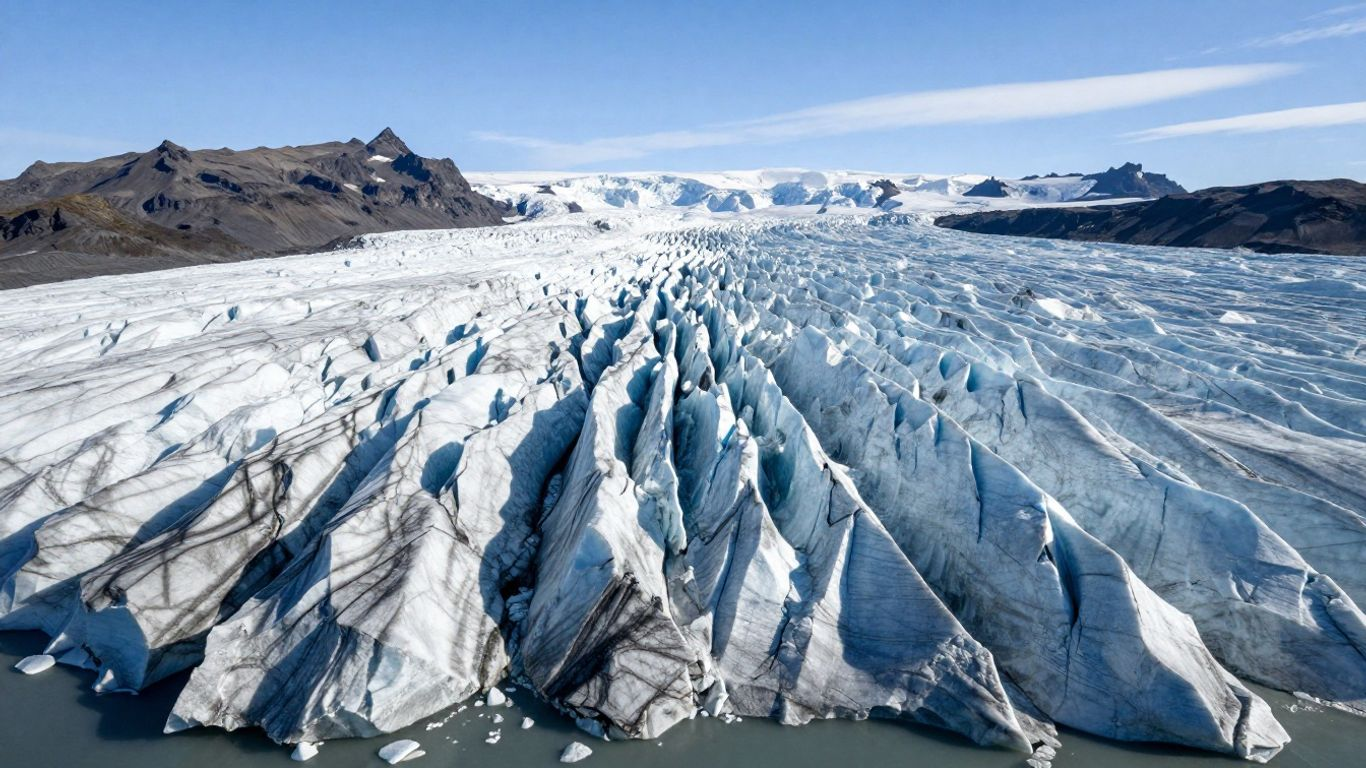
Evaluating your endurance for uneven, icy terrain
Walking on ice takes more energy than a hike on a dirt trail. You are constantly balancing as the surface tilts, and the ice underfoot is never quite the same from one step to the next. A good baseline of stamina helps you keep a steady pace through the full tour.
Determining your mobility requirements for crampon usage
Crampons are metal spikes strapped to your boots for traction. You need enough flexibility in your ankles to adjust to their weight and positioning. If you have ongoing issues with joints or balance, tell your guide before heading onto the ice.
Building the mental stamina for alpine environment safety
Safety on a glacier is as much mental as physical. Staying alert lets you notice subtle changes in the ice and follow your guide’s instructions immediately. That focus keeps the group safe and cuts the risk of fatigue-related mistakes.
Weather and seasonal factors impacting effort
Weather decides the difficulty of any outdoor day in Iceland. Wind can pick up suddenly and force you to work harder just to stay stable, and visibility can drop without notice. We watch the regional forecasts to decide whether a route is safe, but you should dress for conditions colder and windier than the lowlands.
How wind speeds escalate trek difficulty
Strong gusts push you off balance, and holding a steady stance in high wind costs extra muscle work over hours. When the wind picks up, we adjust the route so everyone stays within their comfort zone.
Comparing summer versus winter glacier conditions
Summer and winter offer different challenges. The temperature and the texture of the ice surface drive most of the difference:
| Season | Primary Terrain Feature | Effort Level |
|---|---|---|
| Summer | Soft, granular ice | Moderate |
| Shoulder | Mixed snow and ice | Low to Moderate |
| Winter | Hard, frozen surface | High |
Our own departures run May through September, when the ice on this part of Vatnajökull is at its most stable for guided groups. Pick a date with these conditions in mind.
Navigating unpredictable visibility and changing surfaces
Fog and snowfall are common and can cover the path ahead. Guides know the area well enough to navigate through low-visibility spells, but those stretches are more tiring for the group. Stay close and keep your eyes on the person ahead until it clears.
Essential gear and how it influences your hike
Your equipment decides your comfort and how much energy you burn. Proper layering keeps your temperature regulated, and sturdy boots give crampons the base they need. Our packing guide covers everything you need for an outdoor day in Iceland.
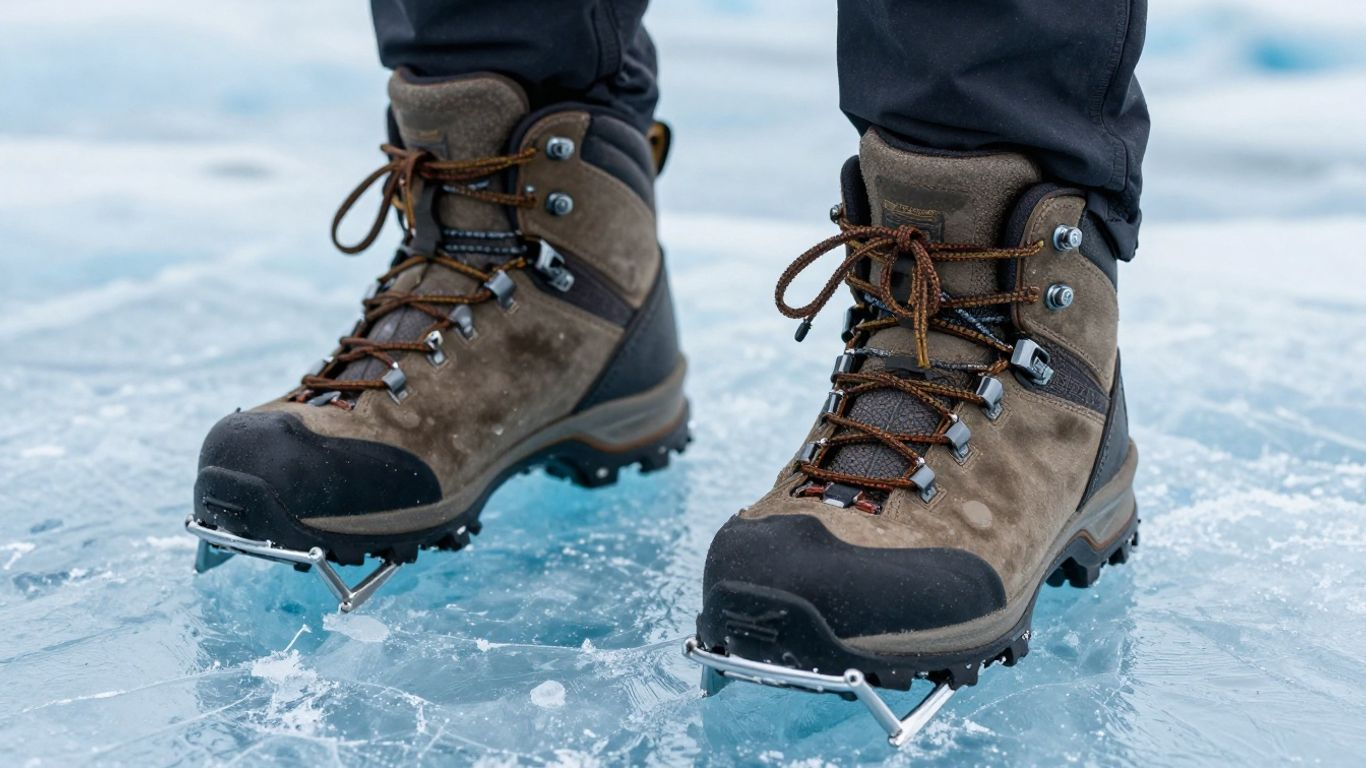
Maintaining balance with proper glacier boots
Stiffness in a boot is an advantage on a glacier because it creates a solid platform for your crampons. A soft shoe makes it hard to kick into the ice securely. You want footwear that supports your ankle and stays rigid under strain.
Handling technical equipment like ice axes and harnesses
Technical tools support your movement when the slope steepens, and your guide will show you how to hold an ice axe and position your body so the gear works for you. On our hike, crampons, an ice axe, and a helmet are all provided, so boots and warm clothing are your only real homework.
Managing energy expenditure through proper layering
Controlling your temperature saves energy you would otherwise spend shivering or overheating. We recommend a simple system:
- Wool or synthetic base layer to wick moisture away.
- Insulating mid-layer to hold body heat.
- Sturdy waterproof shell to block wind and snow.
- Gloves and a beanie to seal in warmth.
Get the layers right and your internal climate stays stable no matter what the sky does.
Group dynamics and pace management
Group tours run on consistency. Because our groups are capped at 15 guests, you get direct attention from a certified glacier guide during the hike. That is how Scenic Iceland runs every departure: nobody gets left behind, and nobody gets rushed.
Adapting to the steady rhythm of a professional guide
Guides keep a pace that balances the whole team, and they can spot when someone is tiring before that person says a word. Match your rhythm to the guide and you get a stable, energy-efficient tempo.
Communicating with your team during technical sections
Feedback in small groups helps the guide read how everyone is doing. If a section feels hard, say so immediately. Your guide can adjust your foot placement or change the path to make the crossing easier.
Managing fatigue in group settings versus solo experiences
On a group hike you lean on the collective pace and the guide’s pathfinding. Unlike a solo venture, where you monitor your own energy and route, a group setting lets you focus entirely on your movement and the views. That makes the experience more accessible and considerably safer.
Choosing the right tour for your skill level
Start with an honest look at your hiking background. Our glacier hike starts at 16,500 ISK per person, and many guests combine it with the rest of the south coast on our 3-day South Coast & Golden Circle tour. Tell us your experience level and we will point you at the trip that fits.
Flexibility for customized pace in private tours
Private tours offer the most control over pacing. You can stop for photos or move slowly through icy sections without affecting anyone else. If your group has mixed fitness levels, ask about private options when you book.
Accessing more challenging routes with smaller groups
Smaller groups can thread through tighter gaps between ice features that larger groups pass by. The hike feels more like exploration, and you reach sections of the glacier that reward careful movement.
Safety benefits of professional guide ratios for technical terrain
A low guest-to-guide ratio means everyone gets real supervision. Your guide checks equipment and technique constantly, which matters on terrain that moves. That oversight is what makes a glacier walkable for ordinary hikers in the first place.
Conclusion
The difficulty of a glacier hike comes down to your personal fitness, the season, and the type of tour you pick. Choose a guided, small-group experience with proper safety oversight and you get the full spectacle of the ice without gambling with your wellbeing. Good preparation turns a hard day on the ice into a great one.
Frequently Asked Questions
Is prior experience required for a glacier hike?
No. You do not need any glacier experience before joining a guided tour, though a moderate level of general fitness helps.
What should I do if I am worried about my fitness level?
Book the easier route option and tell your guide about any concerns before the tour begins. Guides adjust pace and path all the time.
How cold does it get on the glacier?
Usually several degrees colder than the coast, and wind makes it feel colder still, so layering is essential.
Can I wear my own hiking boots?
Yes, as long as they are waterproof, rigid enough for crampons, and give you high ankle support.
Are the ice features the same all year?
No. Glaciers shift, melt, and reform constantly, so the path and the visible features change significantly between seasons.
What happens if the weather turns bad?
Guides watch conditions constantly and will modify the route or reschedule if the weather poses a safety risk. You also have free cancellation up to 24 hours before the tour starts.
Will we be able to go inside an ice cave?
Not on this hike. The glacier hike stays on top of the ice, and ice caves in Vatnajökull National Park are a winter activity: cave season runs roughly October through April, and the park keeps caves closed over the summer for safety. If a cave is on your list, book our separate ice cave tour on Breiðamerkurjökull.